




What's Happening?
The ongoing conflict between Israel and Iran has taken a new turn with both nations targeting each other's energy infrastructure. Israel has conducted strikes on key Iranian fuel and gas facilities, while Iran has retaliated by targeting Israeli refineries
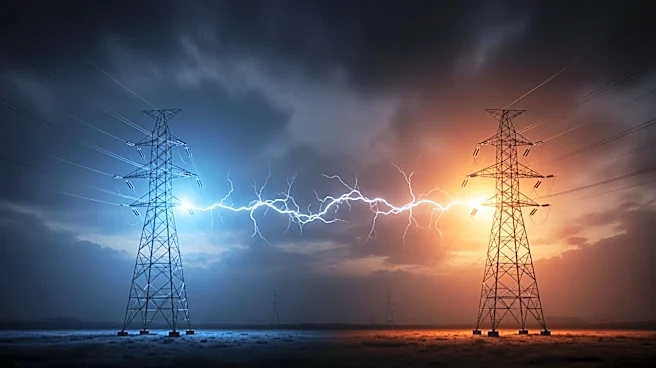
in Haifa. This development marks a shift in modern warfare, where energy systems have become primary targets. The attacks on these critical infrastructures are not only military strategies but also have significant implications for civilian life, as they are deeply interconnected with essential services. The cycle of retaliation poses a risk of escalating the conflict further, with both sides potentially locked into a tit-for-tat dynamic that could be difficult to contain.
Why It's Important?
The targeting of energy infrastructure in the Israel-Iran conflict has far-reaching implications beyond immediate military gains. Disruptions in energy systems can lead to widespread environmental and humanitarian consequences, such as air pollution, water contamination, and long-term health risks. These effects are not confined to the battlefield but ripple through global supply chains, affecting food prices and energy costs. For Israel, the strategic risks include potential disruptions to its energy supply routes, which could have immediate economic consequences. The conflict also highlights the vulnerability of modern societies that rely heavily on interconnected energy systems, underscoring the need for resilience and regional cooperation to mitigate these risks.
What's Next?
As the conflict continues, there is a potential for further escalation, with both Israel and Iran possibly expanding their targets to include regional energy routes and infrastructure critical to each other's supply. This could lead to broader disruptions in global energy markets, affecting transportation, electricity, and basic goods. To address these challenges, Israel may consider strengthening its energy resilience through regional cooperation, such as integrating electricity grids with neighboring countries like Jordan and Egypt. Such measures could enhance energy security and reduce vulnerability to future attacks, providing a more sustainable path forward in the face of ongoing tensions.
Beyond the Headlines
The focus on energy infrastructure in the Israel-Iran conflict raises deeper questions about the strategic use of such targets in modern warfare. While the immediate goal may be to weaken the opposing regime, the long-term consequences could include increased dependency and reduced capacity for organized dissent among affected populations. Additionally, the environmental and humanitarian costs of these attacks are significant, with potential impacts on public health and ecological systems. The situation underscores the need for a more comprehensive approach to conflict resolution that considers not only military objectives but also the broader systemic effects on societies and economies.