




What's Happening?
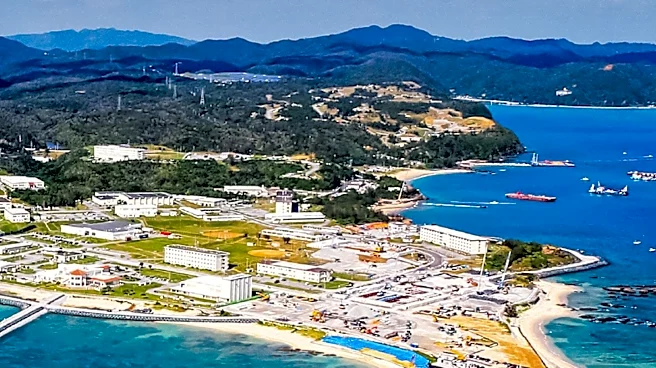
Construction of new housing for 380 single marines and sailors at Marine Corps Base Hawaii in Kaneohe has reached its halfway point. The project, known as 'Bachelor Enlisted Quarters,' is designed to provide modern amenities for service members. These
new facilities will include gear washing stations, bike storage, and recreational pavilions. The development is located in Windward Oahu and is a long-awaited upgrade for military personnel stationed there. The overall project is anticipated to be completed by June 2029, aiming to enhance the living conditions for single marines and sailors.
Why It's Important?
This construction milestone is significant for the U.S. military, particularly for the quality of life and morale of service members stationed in Hawaii. Providing modern and comfortable housing is crucial for retaining personnel and ensuring their well-being, which directly impacts military readiness and effectiveness. The investment in these facilities underscores the commitment to supporting military families and individuals, especially in high-cost-of-living areas like Hawaii. Improved living conditions can also contribute to better mental health and overall satisfaction among service members, reducing stress and allowing them to focus more effectively on their duties. This project also represents a substantial government investment in local infrastructure and could provide economic benefits through construction jobs and related services.
What's Next?
The construction will continue towards its projected completion in June 2029. As the project progresses, further updates on its development and eventual occupancy are expected. Once completed, the new Bachelor Enlisted Quarters will house 380 single marines and sailors, providing them with upgraded living spaces and amenities. The successful completion of this project could also influence future military housing initiatives, potentially serving as a model for similar developments at other bases. The focus will shift to the final stages of construction, outfitting the buildings, and preparing for the arrival of the service members.
Beyond the Headlines
The provision of modern housing for military personnel extends beyond mere shelter; it reflects broader policy considerations regarding military welfare and recruitment. In an era where military retention can be challenging, offering high-quality living environments is a critical incentive. This project also highlights the ongoing need for infrastructure investment in military installations across the U.S., many of which have aging facilities. The inclusion of amenities like gear washing stations and recreational pavilions indicates a more holistic approach to service member support, recognizing the importance of both practical needs and leisure activities for overall well-being. This could set a precedent for future military construction projects, emphasizing comprehensive support for personnel.