






What's Happening?
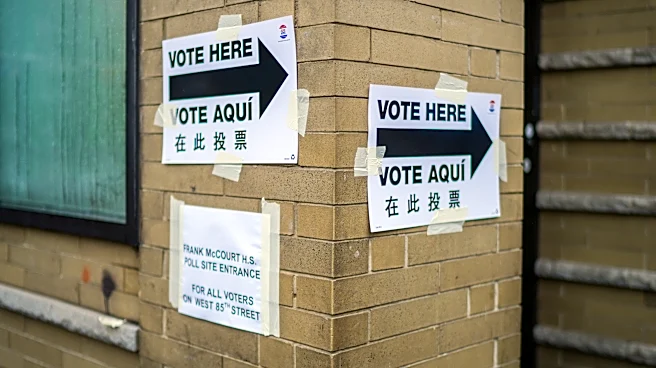
In New York, a growing populist movement is challenging established political incumbents in the upcoming primary elections. This trend is evident in several key races, including Democratic Rep. Adriano Espaillat's contest against community organizer Darializa
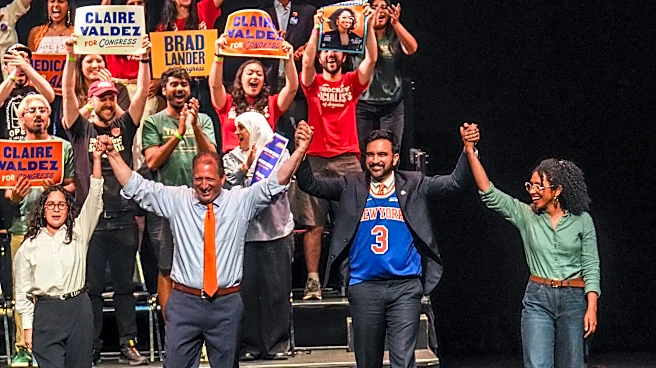
Avila Chevalier, who is backed by New York City Mayor Zohran Mamdani. Similarly, Brooklyn Borough President Antonio Reynoso faces a challenge from Assemblymember Claire Valdez, also supported by Mamdani. On the Republican side, Assemblymember Robert Smullen is in a heated race with Anthony Constantino, endorsed by President Trump. These contests reflect a broader national sentiment of frustration with the political establishment, as candidates with limited political experience leverage public discontent over issues like rising prices and perceived failures of leadership in Washington.
Why It's Important?
The rise of populist candidates in New York's primaries highlights a significant shift in voter sentiment, with potential implications for both major political parties. This movement could lead to unexpected upsets, reshaping the political landscape in New York and potentially influencing national politics. The challenges faced by incumbents underscore a growing dissatisfaction with traditional political figures, as voters seek new leadership to address economic concerns and partisan divides. This trend may also impact future legislative priorities and party dynamics, as new voices enter the political arena with mandates for change.
What's Next?
As the primary elections approach, the outcomes of these races will be closely watched for indications of broader political shifts. If populist candidates succeed, it could embolden similar movements across the country, challenging incumbents in other states. The results may also influence party strategies, as Democrats and Republicans reassess their approaches to addressing voter concerns and maintaining party unity. Additionally, the success of these candidates could lead to increased polarization within parties, as new leaders push for more radical changes.
Beyond the Headlines
The populist wave in New York reflects deeper societal issues, including economic inequality and a growing divide between political elites and the general public. This movement raises questions about the future of political discourse and the role of grassroots activism in shaping policy. It also highlights the impact of social media in amplifying outsider voices and mobilizing support, potentially altering traditional campaign strategies. As these dynamics unfold, they may lead to long-term changes in how political power is distributed and exercised in the United States.