






What's Happening?
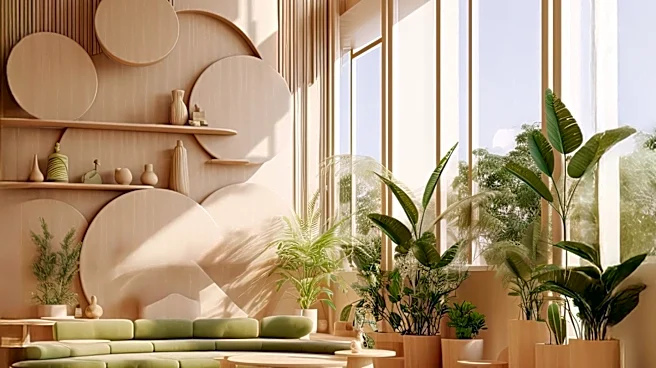
Biophilic design, which integrates natural elements into built environments, is increasingly being adopted in U.S. healthcare settings to improve patient well-being and recovery. This design philosophy incorporates features such as indoor plants, natural views,
daylighting, and natural materials to create a more calming and therapeutic atmosphere. Studies have demonstrated that biophilic design can reduce stress and anxiety, promote healing, and encourage adherence to physical therapy routines. For instance, in general healthcare settings, these elements have been linked to lower heart rates, reduced cortisol levels, shorter hospital stays, and decreased pain medication usage. In pediatric environments, biophilic design helps alleviate stress and anxiety, making hospital visits less intimidating for children. Similarly, in senior living facilities, it addresses issues like loneliness, disorientation, and cognitive decline, fostering a more domestic and welcoming environment. The Helena Theurer Pavilion in Hackensack, New Jersey, and Texas Children’s Hospital in Houston are examples of facilities successfully integrating biophilic elements into their designs.
Why It's Important?
The widespread adoption of biophilic design in U.S. healthcare facilities signifies a significant shift towards a more holistic approach to patient care. By focusing on environmental factors that influence mental and physical health, this trend has the potential to improve patient outcomes across various demographics, from children to the elderly. Reduced hospital stays and lower pain medication usage can lead to substantial cost savings for healthcare providers and insurance companies, while also enhancing the patient experience. Furthermore, a more pleasant and less institutional environment can boost staff morale and retention, addressing critical workforce challenges in the healthcare sector. The emphasis on natural light, non-toxic materials, and easy-to-clean surfaces also contributes to healthier indoor environments, potentially reducing healthcare-acquired infections and promoting overall public health. This design approach underscores the growing recognition of the profound connection between nature and human well-being within the built environment.
What's Next?
The integration of biophilic design is expected to continue expanding across various healthcare facility types in the U.S., including outpatient clinics, rehabilitation centers, and long-term care facilities. Future developments will likely involve more sophisticated applications of natural elements, potentially leveraging technology to create dynamic and responsive natural environments. There will be an increased focus on quantifiable metrics to further validate the benefits of biophilic design, leading to more evidence-based design practices. Manufacturers of interior building systems, such as wall protection, doors, and privacy curtains, will continue to innovate, offering products that not only meet durability and hygiene standards but also incorporate biophilic patterns, colors, and materials. The emphasis on sustainability will also drive the selection of eco-friendly and non-toxic materials, aligning with green building programs like LEED. Healthcare designers will increasingly collaborate with environmental psychologists and other experts to optimize these spaces for maximum therapeutic effect.
Beyond the Headlines
Beyond the immediate benefits of improved patient outcomes and operational efficiencies, the rise of biophilic design in healthcare reflects a broader cultural shift towards valuing nature and well-being in all aspects of life. This movement challenges the traditional, often sterile, aesthetic of medical institutions, promoting a more human-centered design philosophy. It highlights the ethical responsibility of designers and healthcare providers to create environments that support dignity, comfort, and emotional health, especially for vulnerable populations. The long-term implications could include a redefinition of what constitutes a 'healing environment,' influencing architectural standards and public expectations for all public spaces. This approach also encourages a deeper understanding of the psychological impact of surroundings, potentially leading to similar design principles being applied in other high-stress environments, such as schools, workplaces, and correctional facilities, fostering a more compassionate and restorative society.