







What's Happening?
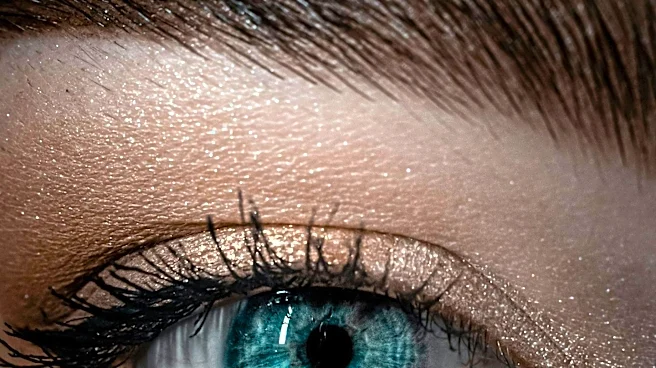
A 38-year-old teacher from Jerusalem, identified as Aya, has regained significant vision following a corneal surgery at Hadassah Medical Center. The procedure involved the implantation of a ring made from donated human corneal tissue to treat Aya's advanced
keratoconus, a condition that causes the cornea to thin and bulge outward. Aya had previously struggled with severe vision impairment, making daily activities like driving and teaching challenging. The surgery, performed by Prof. David Smadja and Dr. Itay Lavy, utilized a femtosecond laser to insert the donor tissue, which helped flatten the cornea and improve Aya's vision from 10% to 90% with glasses.
Why It's Important?
This medical advancement highlights the potential of donor tissue in treating severe eye conditions, offering an alternative to synthetic implants. The success of this procedure could influence future treatments for keratoconus, potentially reducing the need for full corneal transplants. For patients like Aya, this means a significant improvement in quality of life and independence. The procedure's success also underscores the importance of organ donation and its impact on medical treatments.
What's Next?
The success of Aya's surgery may lead to increased adoption of similar procedures in treating keratoconus. Medical professionals might explore further applications of donor tissue in ophthalmology, potentially expanding treatment options for other corneal diseases. Additionally, the positive outcome could encourage more individuals to consider organ donation, knowing the profound impact it can have on recipients' lives.