






What's Happening?
Zero Waste Europe (ZWE), an environmental network, has released a report indicating that including waste incineration in the EU Emissions Trading System (EU ETS) is unlikely to lead to increased landfilling across Europe. The report, prepared by UK-based
consultancy Equanimator, suggests that the inclusion of incineration supports the EU's climate goals and adheres to the waste hierarchy. The study highlights that most EU Member States have existing landfill restrictions and contractual obligations that limit the return to landfill disposal. The report also emphasizes the importance of enforcing the Landfill Directive and implementing measures to reduce residual waste. ZWE's findings suggest that short-term price changes have minimal impact on waste management decisions, which are more influenced by infrastructure, regulatory systems, and contractual obligations.
Why It's Important?
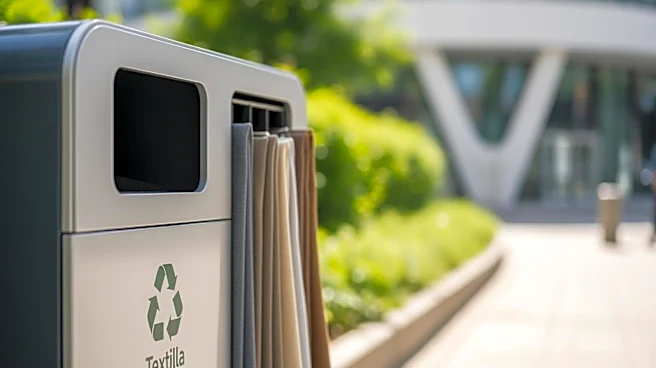
The inclusion of incineration in the EU ETS is a significant step towards achieving the EU's climate objectives by reducing greenhouse gas emissions. This move is particularly relevant for managing synthetic textile waste, which contributes to fossil-derived carbon emissions. By incorporating incineration into the EU ETS, the EU aims to create economic incentives for improved waste management practices, such as enhanced textile collection and recycling systems. The report's findings reassure stakeholders that the risk of increased landfilling is low due to existing policy frameworks and economic conditions. This development is crucial for maintaining the EU's commitment to reducing environmental impact and promoting sustainable waste management practices.
What's Next?
ZWE recommends the continued enforcement of the Landfill Directive and the introduction of economic instruments to further reduce residual municipal waste. The organization suggests that policymakers focus on strengthening regulatory frameworks and infrastructure to support sustainable waste management. As the EU moves forward with its climate goals, stakeholders, including governments and waste management companies, are expected to collaborate on implementing these recommendations. The report's findings may also influence future policy decisions regarding waste management and emissions reduction strategies within the EU.