



What's Happening?
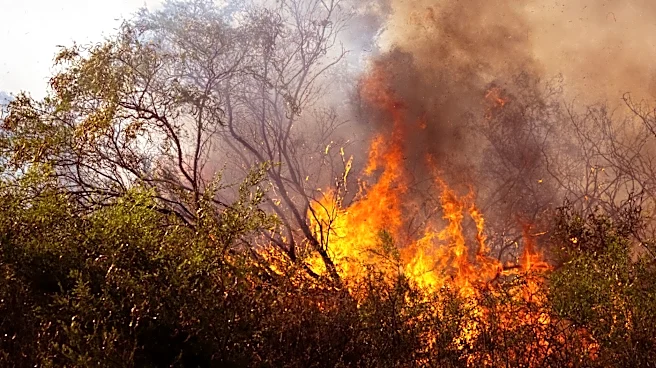
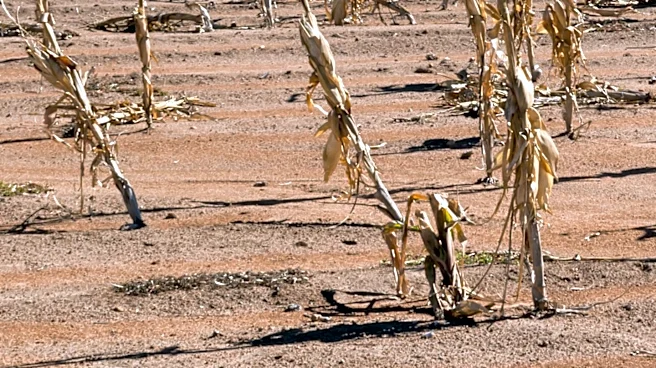
The El Niño weather pattern has officially arrived, according to Chad Merrill, a senior meteorologist at AccuWeather. This climatic shift is expected to bring dry conditions across many parts of the United States, even in regions that have experienced
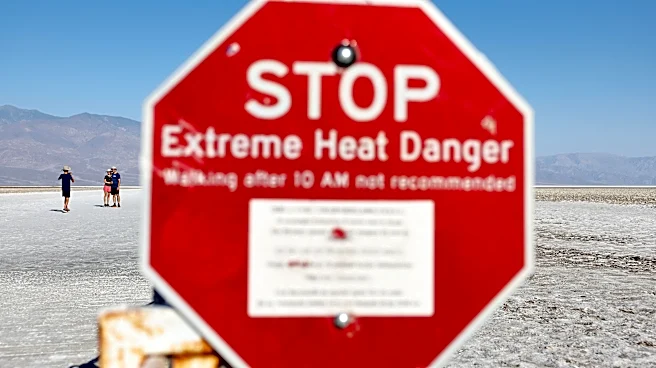
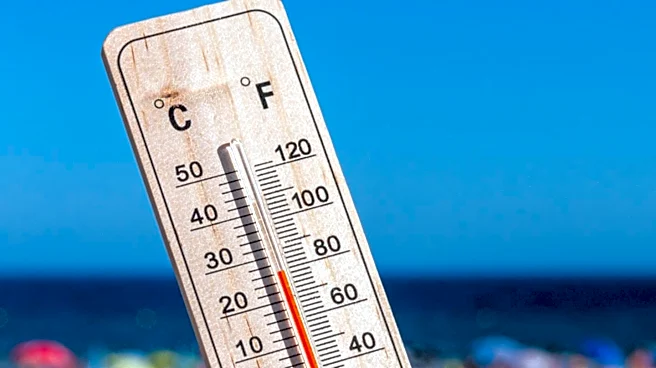
significant moisture earlier in the spring and summer. The forecast for July indicates that these dry conditions will persist, accompanied by increased temperatures in rural areas. However, the long-term forecast suggests a potential return of more precipitation in August, which could alleviate some of the dryness experienced during the summer months.
Why It's Important?
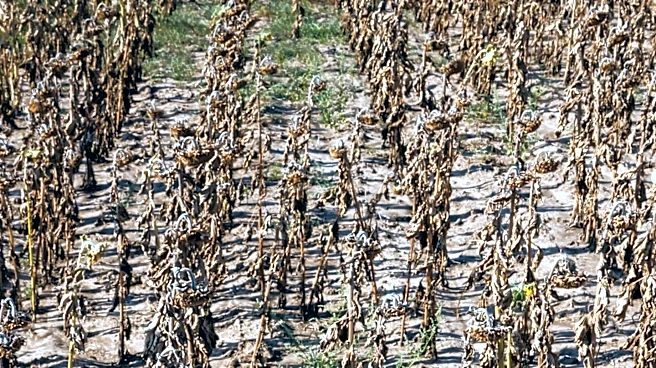
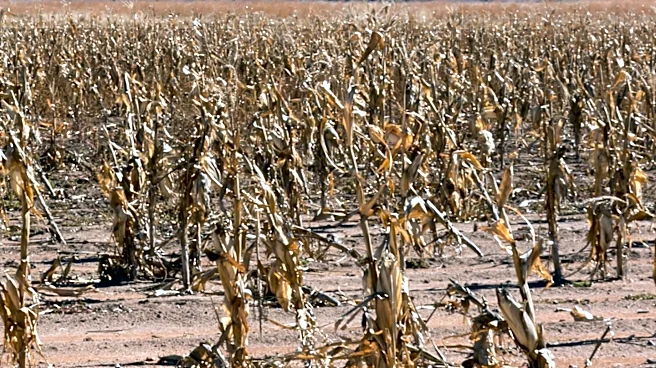
The arrival of the El Niño weather pattern is significant for U.S. agriculture, as it can lead to substantial changes in weather conditions that affect crop yields. Dry conditions and increased temperatures can stress crops, potentially reducing agricultural output and impacting food supply chains. Farmers and agricultural stakeholders must prepare for these changes to mitigate potential losses. The anticipated return of precipitation in August may offer some relief, but the interim period could pose challenges for water management and crop health. Understanding and adapting to these weather patterns is crucial for maintaining agricultural productivity and economic stability in affected regions.
What's Next?
As the El Niño pattern continues to develop, farmers and agricultural planners will need to monitor weather forecasts closely to adjust their strategies accordingly. This may involve implementing water conservation measures, altering planting schedules, or investing in drought-resistant crop varieties. Additionally, government agencies and agricultural organizations may need to provide support and resources to help farmers cope with the adverse effects of the weather pattern. The potential return of precipitation in August will be a critical factor in determining the overall impact of El Niño on the agricultural sector.