






What's Happening?
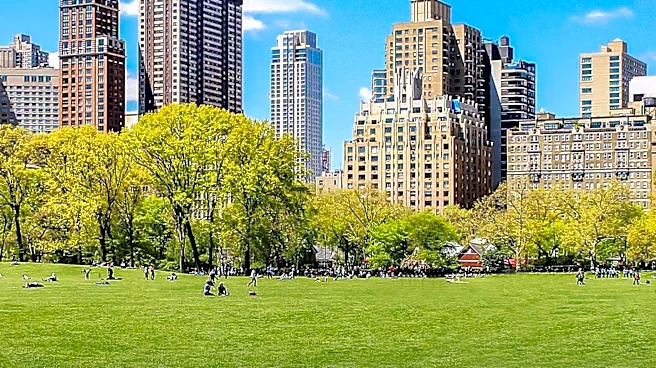
A second person has died in connection with a Legionnaires’ disease outbreak on Manhattan's Upper East Side, according to the New York City Health Department. The outbreak has infected 72 people, with health officials focusing on testing cooling towers
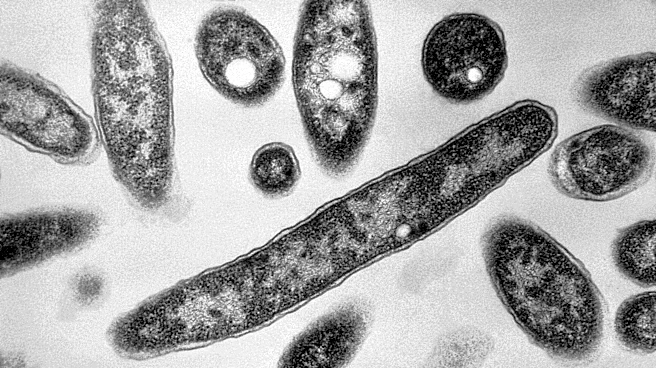
in large buildings as potential sources. Legionnaires’ disease, a severe form of pneumonia caused by bacteria thriving in warm, stagnant water, is treatable but can be fatal in about 10% of cases. The health department has ordered property owners to disinfect affected towers, and while the source of the outbreak has not been pinpointed, a decline in new cases suggests the exposure source may have been eliminated.
Why It's Important?
The outbreak of Legionnaires’ disease in New York City underscores the importance of public health measures and infrastructure maintenance in preventing disease spread. The incident highlights the need for rigorous testing and regulation of building systems that can harbor harmful bacteria. The health department's response, including disinfection orders, reflects efforts to protect public health and prevent further fatalities. This outbreak also serves as a reminder of the potential risks associated with urban living and the importance of maintaining public health infrastructure to prevent similar incidents in the future.