







What's Happening?
The Organization for Economic Cooperation and Development (OECD) has issued a report highlighting the severe global economic repercussions of prolonged energy supply disruptions from the Middle East, particularly due to the ongoing conflict involving
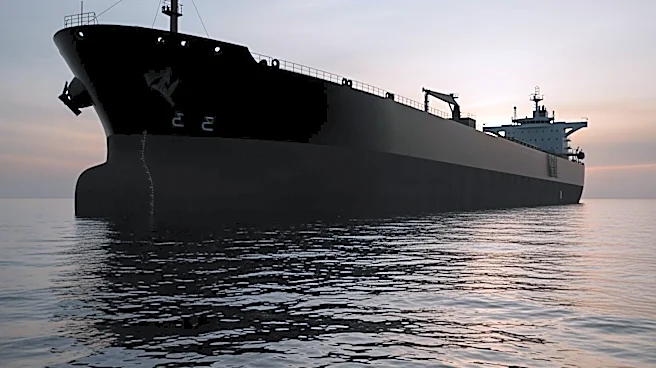
Iran. The report indicates that the closure of the Strait of Hormuz, a critical chokepoint for global oil and gas shipments, has significantly reduced energy supplies, impacting economies worldwide. Asian countries, heavily reliant on Persian Gulf energy resources, and poorer nations, where a large portion of income is spent on fuel and food, are expected to be the hardest hit. The OECD projects that global economic growth could slow dramatically, with potential recessions in some countries if the disruption continues. The report also outlines a scenario where energy supplies begin to normalize mid-year, which would still result in slowed growth but with a quicker recovery.
Why It's Important?
The disruption of energy supplies from the Middle East has far-reaching implications for the global economy, affecting everything from inflation rates to unemployment levels. The OECD's warning underscores the vulnerability of global markets to geopolitical tensions and the critical role of energy security in economic stability. Countries dependent on Middle Eastern energy are at risk of economic downturns, which could lead to increased poverty and social unrest. The report also highlights the need for targeted government interventions to mitigate energy costs for the most vulnerable populations, while cautioning against excessive public spending that could exacerbate national debts.
What's Next?
The ongoing conflict and its impact on energy supplies are likely to prompt international diplomatic efforts to stabilize the region and ensure the free flow of energy resources. Governments may need to explore alternative energy sources and invest in energy efficiency to reduce dependency on Middle Eastern oil and gas. Additionally, the economic strain could lead to policy shifts aimed at bolstering domestic energy production and enhancing strategic reserves. The situation remains fluid, with potential for further escalation or resolution depending on geopolitical developments.
Beyond the Headlines
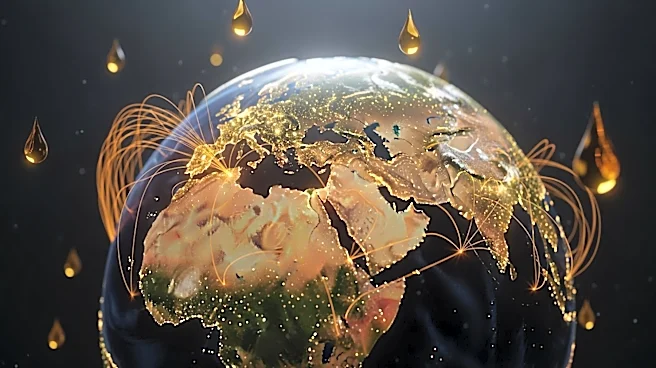
The current energy crisis highlights the interconnectedness of global economies and the potential for regional conflicts to have widespread economic consequences. It also raises questions about the sustainability of current energy consumption patterns and the urgency of transitioning to renewable energy sources. The situation could accelerate investments in clean energy technologies and infrastructure, as countries seek to reduce their vulnerability to similar disruptions in the future.