







What's Happening?
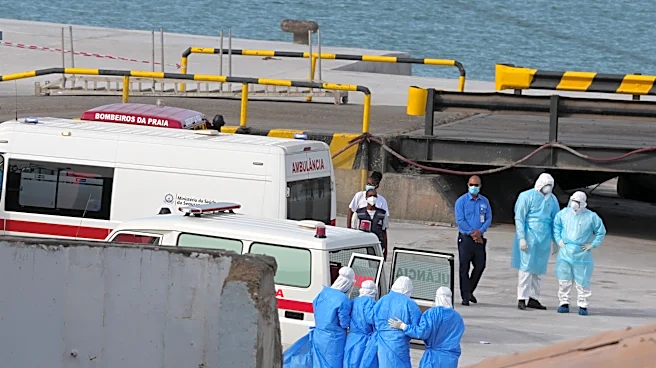
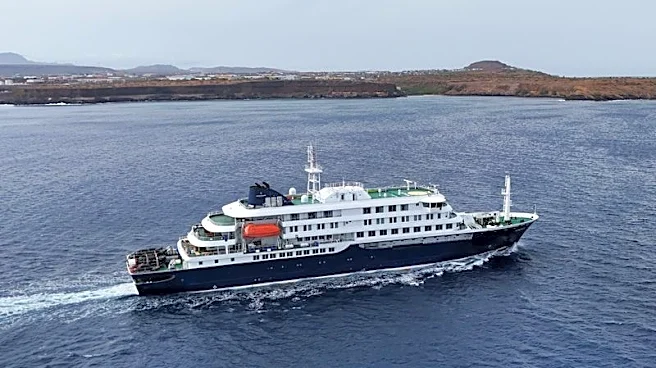
Leo Schilperoord, a 70-year-old Dutch ornithologist, has been identified as 'Patient Zero' in a hantavirus outbreak that occurred on the MV Hondius cruise ship. Schilperoord and his wife, Mirjam, were on a birdwatching trip in South America when they
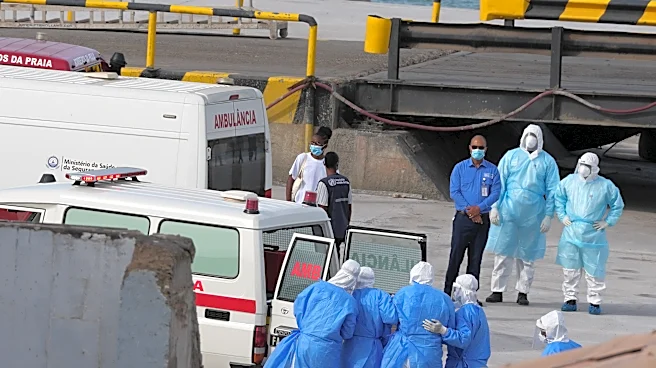
visited a landfill near Ushuaia, Argentina, known for its birdwatching opportunities. It is suspected that they inhaled particles from the feces of long-tailed pygmy rice rats, carriers of the Andes strain of hantavirus, which is the only strain known to transmit between humans. Schilperoord fell ill with symptoms such as fever and stomach pain and died on the ship. His wife also contracted the virus and died shortly after being removed from a flight in Johannesburg. At least seven Americans who were on the same cruise have returned to the U.S., including two residents of New Jersey.
Why It's Important?
The identification of a 'Patient Zero' in the hantavirus outbreak highlights the risks associated with certain travel activities, such as birdwatching in areas with known rodent populations. The Andes strain's ability to transmit between humans poses a significant public health concern, especially for travelers and those in close contact with infected individuals. The outbreak underscores the need for increased awareness and preventive measures in regions where hantavirus is present. The return of American passengers from the cruise ship raises potential public health challenges in the U.S., as health officials may need to monitor and manage any further spread of the virus.