


What's Happening?
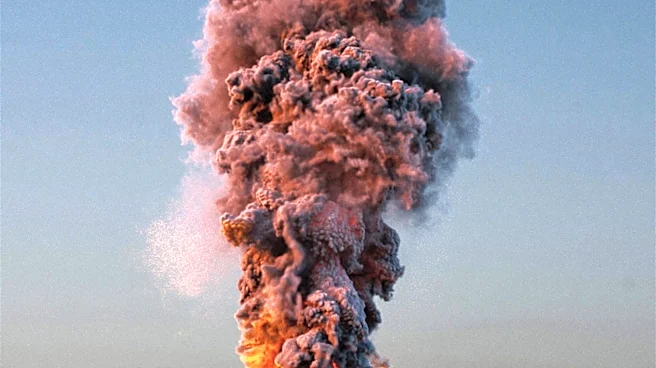
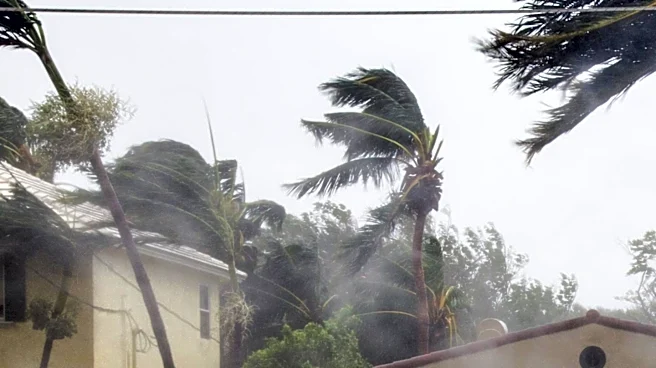
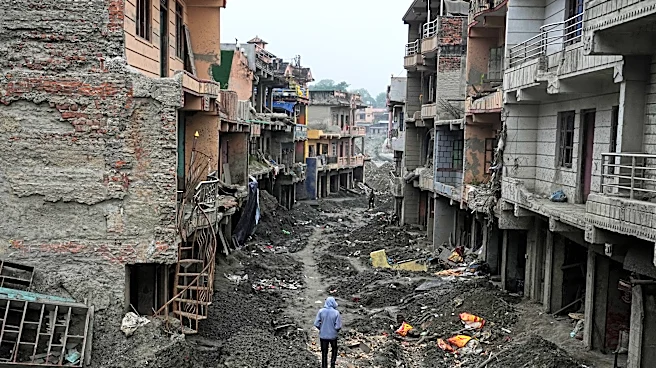
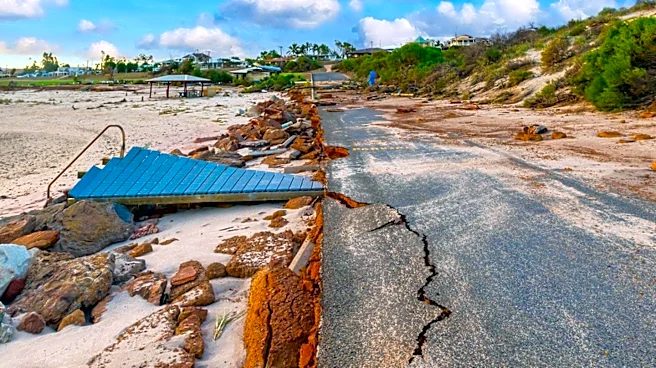
Natural disasters, ranging from earthquakes and tsunamis to hurricanes and prolonged droughts, are increasingly recognized as global phenomena rather than isolated local crises. These events have the capacity to reshape landscapes and endanger lives rapidly.
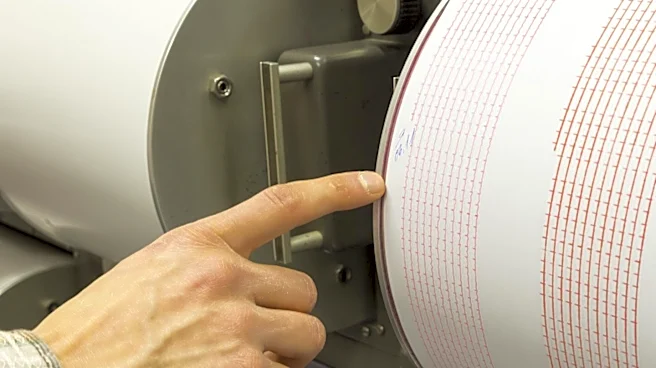
Organizations like the Natural Disaster Hub aim to demystify these powerful geological occurrences by providing scientifically accurate insights into their causes, which include heavy rainfall, seismic activity, and deforestation. The hub offers resources on practical preparedness strategies, real-time risk assessment, and modern mitigation techniques designed to protect homes and communities. It emphasizes that knowledge is the primary defense against such threats, providing comprehensive guides for understanding, preparing for, and responding to various natural disaster events.
Why It's Important?
The global nature of natural disasters means that their impacts can extend far beyond immediate geographical boundaries, affecting international supply chains, economies, and humanitarian efforts. For the U.S., this implies potential disruptions to trade, increased demands for international aid, and the need for robust domestic preparedness given the country's vulnerability to various disaster types, from hurricanes on the coast to wildfires in the west. Understanding the causes and developing effective mitigation strategies are crucial for protecting infrastructure, saving lives, and minimizing economic losses. The emphasis on scientific insight and preparedness helps communities build resilience, reducing the long-term societal and economic costs associated with these events. Without adequate preparation, the U.S. could face escalating recovery efforts and increased strain on federal and state resources.
What's Next?
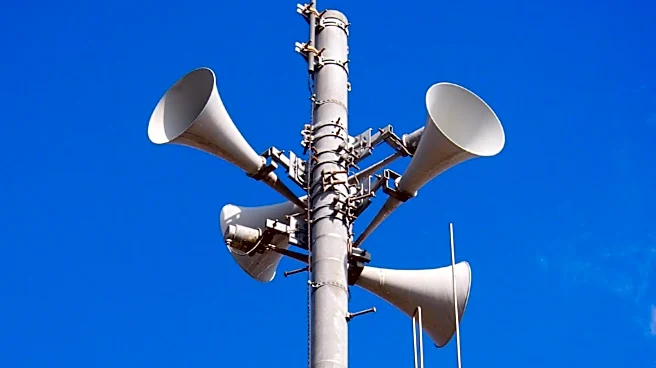
Continued efforts will focus on enhancing public awareness and education regarding natural disaster preparedness. This includes promoting the use of hazard mapping tools and encouraging residents in vulnerable areas to create family emergency plans and assemble go-kits. Research into the role of deforestation in increasing landslide risk will likely inform land-use policies and conservation efforts. Furthermore, the development and implementation of advanced early warning systems, utilizing sensors and rain gauges, will be critical for timely evacuations. Communities are expected to combine structural measures, such as retaining walls and drainage systems, with ecological solutions like reforestation to stabilize slopes and reduce the impact of events like landslides. Collaboration between scientific bodies, local governments, and residents will be key to building more resilient communities.
Beyond the Headlines
The increasing frequency and intensity of natural disasters highlight deeper ethical and policy considerations regarding land use, environmental conservation, and equitable resource allocation for preparedness and recovery. The link between deforestation and increased landslide risk, for instance, underscores the environmental consequences of human activities and the need for sustainable development practices. There's also an implicit call for greater international cooperation in disaster response and risk reduction, as these events transcend national borders. Furthermore, the emphasis on 'knowledge as the first line of defense' suggests a societal shift towards proactive risk management and community empowerment, moving beyond reactive responses to fostering a culture of preparedness and resilience at all levels of society.