
What's Happening?
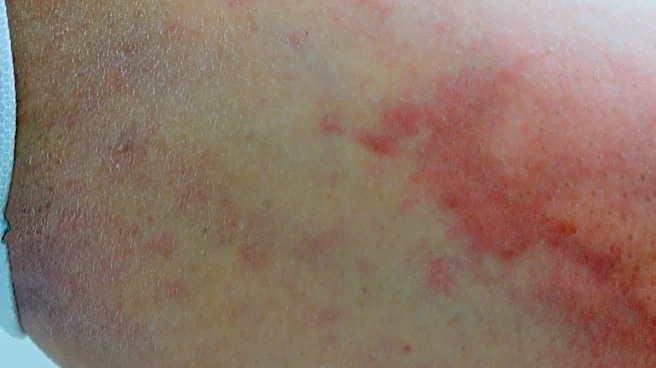
The United States has recorded 2,318 measles cases in 2026, surpassing the total for 2025, according to the Centers for Disease Control and Prevention (CDC). This marks the highest number of cases since
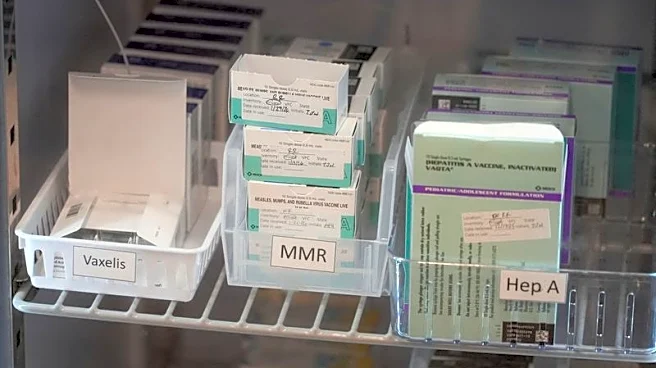
1991, with significant outbreaks in states like South Carolina, Utah, and Arizona. Health experts attribute the rise to declining vaccination rates, which have fallen below the 95% threshold needed to prevent outbreaks. The CDC warns that vulnerable groups, including young children and individuals with weakened immune systems, are at increased risk. The resurgence of measles, a disease previously eliminated in the U.S., is linked to growing vaccine skepticism, including opposition from members of President Trump's administration.
Why It's Important?
The increase in measles cases underscores the critical role of vaccination in public health. Falling vaccination rates threaten herd immunity, putting entire communities at risk and potentially leading to more severe outbreaks. The situation highlights the impact of vaccine misinformation and skepticism, which can undermine public health efforts and lead to preventable diseases spreading. The resurgence of measles serves as a reminder of the importance of maintaining high vaccination coverage to protect vulnerable populations and prevent the re-emergence of diseases once thought to be controlled.
What's Next?
Public health officials may intensify efforts to promote vaccination and counter misinformation. States experiencing outbreaks might implement stricter vaccination requirements or launch awareness campaigns to increase coverage. The federal government could consider policy changes to address vaccine skepticism and improve public health education. Continued monitoring and reporting by the CDC will be crucial in managing the outbreaks and preventing further spread.
Beyond the Headlines
The measles outbreak highlights broader issues related to public trust in science and healthcare. It raises ethical questions about individual rights versus community health responsibilities. The situation may prompt discussions on how to effectively communicate scientific consensus and counteract misinformation. Long-term, the outbreak could influence public health policies and strategies for dealing with vaccine hesitancy.