



What's Happening?
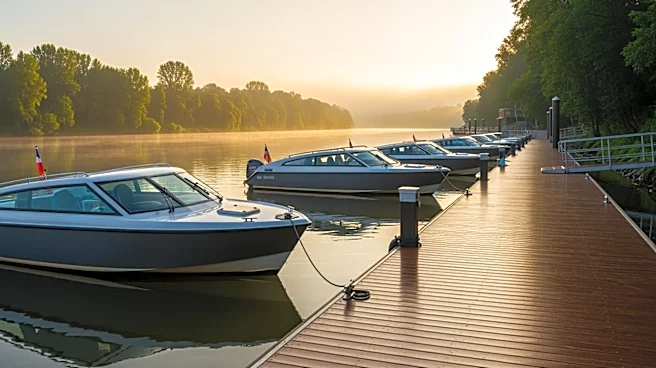
French river tourism is experiencing significant growth, with occupancy rates nearing 90% in 2025, indicating strong momentum in the inland cruising industry. This trend is driven by a steady interest in relaxed, destination-focused journeys, reflecting
broader shifts in traveler preferences. The growth is largely attributed to international demand, particularly from well-off travelers from Germany and the United States, who are drawn to place-based travel experiences. Along the Rhône-Saône waterway, foreign guests made up close to 90% of those on river cruises. The industry is also seeing an upmarket shift, with operators targeting premium segments and modernizing their fleets to accommodate larger boats, ranging from 125 to 135 meters, to boost space without compromising quality.
Why It's Important?
The growth in French river tourism highlights a broader trend towards slow tourism, where travelers prioritize cultural immersion and local connections over fast-paced travel. This shift has significant economic implications, as it supports local economies along the river routes. The modernization of fleets and the extension of travel seasons also indicate a sustainable approach to tourism, balancing guest arrivals across months and reducing pressure from extreme weather. The use of HVO biofuel and the expansion of electric infrastructure further emphasize the industry's commitment to sustainability. This trend not only benefits the tourism sector but also contributes to regional economic development and environmental conservation.
What's Next?
Looking ahead to 2026, the French river tourism industry is expected to continue its upward trajectory. Despite global tensions causing slight delays abroad, bookings on barge-hotels are meeting expectations, with full itineraries marking most river cruises. The fleet is set to expand further, with 26 boats expected in 2026 and 31 in 2027. The focus on sustainability is likely to grow, with more investments in biofuels and electric infrastructure. This continued growth and modernization will likely attract more international travelers, further boosting the local economies and reinforcing the trend towards sustainable tourism.
Beyond the Headlines
The rise of French river tourism reflects a deeper cultural shift towards valuing experiences over material possessions. This trend aligns with the growing interest in regenerative tourism, where travelers seek to leave a positive impact on the destinations they visit. The industry's focus on sustainability and local engagement not only enhances the travel experience but also fosters a sense of responsibility among travelers. As more people embrace this approach, it could lead to long-term changes in how tourism is perceived and practiced, promoting a more sustainable and equitable global tourism industry.