




What's Happening?
The International Atomic Energy Agency (IAEA), in collaboration with scientific experts from 65 countries, has launched the “NUTEC Plastics Global Marine Monitoring Platform.” This new online repository aims to consolidate research findings from a worldwide
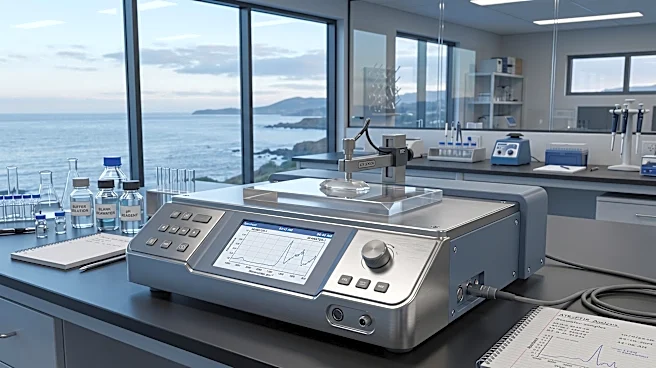
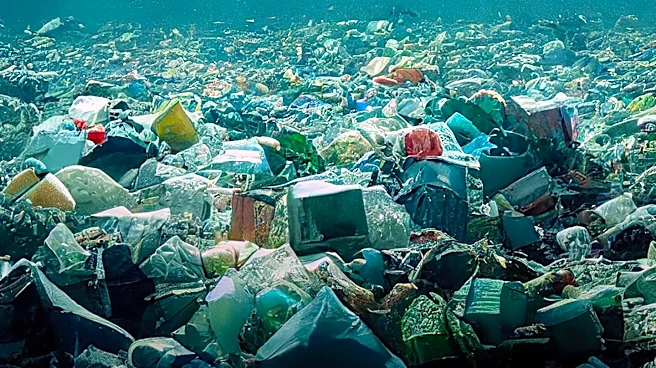
network of laboratories to enhance international cooperation and knowledge sharing regarding microplastic abundance and trends in coastal and marine zones. Plastic pollution is a significant environmental crisis, with an estimated 19 to 23 million tonnes of plastic waste entering marine ecosystems annually, degrading into microplastics that infiltrate water sources, soil, and living organisms. The NUTEC Plastics initiative utilizes advanced tools like vibrational spectroscopy (ATR-FTIR) to analyze the chemical composition of plastic particles. The IAEA has trained over 400 experts and provided analytical equipment to more than 80 countries to establish harmonized protocols for standardized sampling and data analysis globally. This platform is a crucial step in addressing the transboundary issue of marine plastic debris.
Why It's Important?
The launch of the NUTEC Plastics platform is important because it provides a unified scientific baseline for understanding and addressing the global microplastics crisis. By standardizing data collection and analysis protocols across numerous countries, the platform will enable more accurate assessments of microplastic distribution and trends, which is essential for informing policy decisions. This initiative can significantly impact international efforts to combat plastic pollution by providing concrete, scientifically backed data for negotiations like the Global Plastics Treaty. It also promotes technology transfer and capacity building, particularly in developing nations, by providing training and equipment. This collaborative approach helps bridge technological divides and fosters a more cohesive global response to a pervasive environmental threat, ultimately aiming to protect marine ecosystems and human health from plastic contamination.
What's Next?
To maximize the global impact of the NUTEC Plastics initiative, several policy recommendations have been proposed to the international community. These include endorsing the platform's data as the global standard for Global Plastics Treaty negotiations, ensuring a unified scientific baseline for setting reduction targets. There is also a call for enhanced technology transfer, with developed nations and international organizations increasing funding and providing advanced equipment to developing countries to create a seamless worldwide monitoring network. The establishment of 'Regional Nodes' for microplastic monitoring networks is also proposed, with countries like Thailand prepared to serve as regional hubs for data collection and capacity building. Ultimately, the goal is to translate this scientific data into actionable policies, such as at-source waste management improvements, single-use plastic bans, and the development of alternative materials, ensuring that monitoring results lead to sustainable solutions.
Beyond the Headlines
The NUTEC Plastics platform signifies a deeper shift in how global environmental challenges are tackled, emphasizing the critical role of nuclear science and technology beyond energy generation. It highlights the ethical imperative of international cooperation in addressing transboundary issues like plastic pollution, where the actions of one nation can significantly impact others. The initiative also underscores the importance of data-driven policy-making, moving beyond anecdotal evidence to rely on standardized, scientifically rigorous data for environmental governance. This collaborative model could set a precedent for addressing other global environmental crises, demonstrating how shared scientific infrastructure and harmonized protocols can foster collective action. Furthermore, it brings to light the often-overlooked applications of nuclear and isotopic technologies in environmental protection, showcasing their versatility and potential for contributing to sustainable development goals.