





What's Happening?
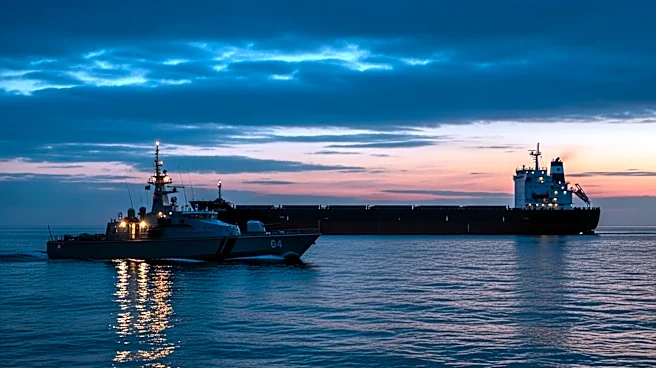
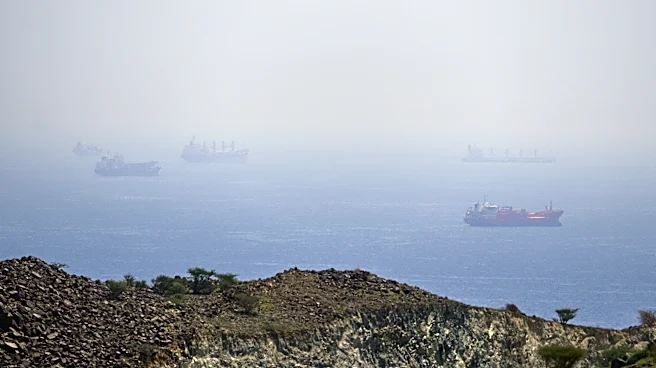
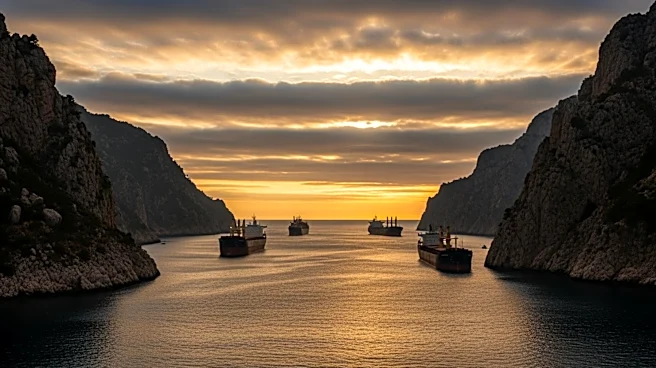
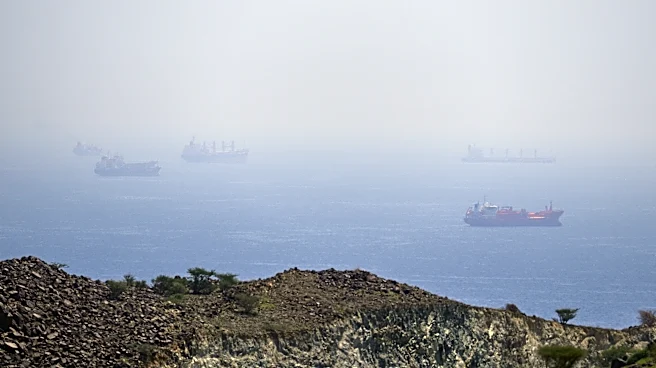
Iran's Revolutionary Guard attacked and seized multiple ships in the Strait of Hormuz, challenging the U.S. naval blockade and ceasefire extension. The attacks occurred after President Trump extended the ceasefire, aiming to give Iran time to present
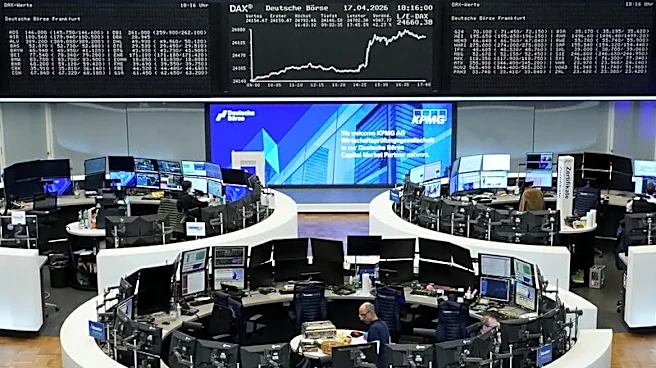
a unified proposal. Iran's actions have put peace talks in jeopardy, with the country accusing the U.S. of violating the ceasefire by blockading Iranian ports. The situation has led to international concern over oil prices and global market stability.
Why It's Important?
The Strait of Hormuz is a critical chokepoint for global oil transport, and disruptions can have far-reaching economic consequences. Iran's aggressive actions and the U.S. blockade have heightened tensions, risking further escalation and impacting international trade. The situation underscores the fragility of the ceasefire and the challenges in achieving a diplomatic resolution. The international community, including the U.N., has called for de-escalation and constructive negotiations to prevent a broader conflict.
What's Next?
The U.K. and France are hosting a conference to address the Strait of Hormuz standoff, aiming to remove undersea mines and ensure safe passage for vessels. The international community may increase diplomatic pressure on both Iran and the U.S. to reach a sustainable resolution. The ongoing conflict could lead to further military engagements and impact global oil supply and prices.