



What's Happening?
The New York City Department of Transportation (NYC DOT) has announced upcoming changes to the city's truck route network, set to take effect on October 4, 2026. These changes will impact truck traffic in Forest Hills, specifically aiming to prevent large
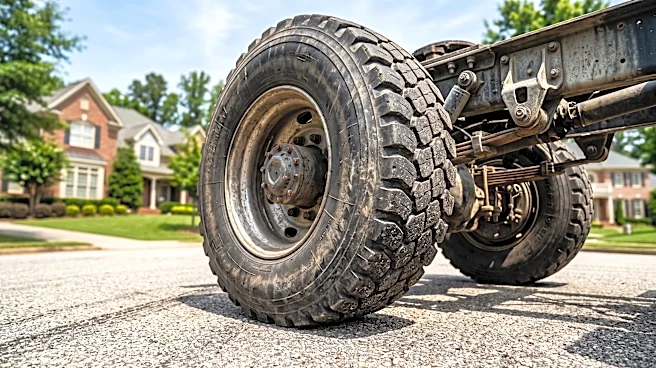
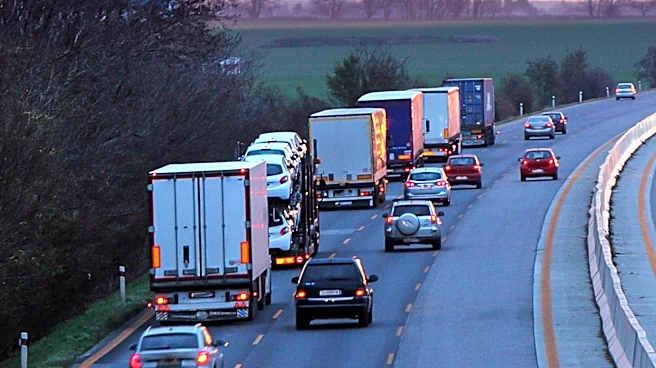
commercial vehicles from cutting through residential areas. Currently, trucks are required to follow designated routes and can only deviate at the intersection nearest their destination, taking the most direct path. Two major parkways bordering Forest Hills, the Grand Central Parkway and the Jackie Robinson Parkway, are entirely off-limits to trucks and commercial vehicles. Violations of these rules, often due to drivers using consumer GPS apps instead of truck-specific navigation, are considered infractions before any other incident occurs. The new regulations are intended to address issues arising from large rigs navigating areas not designed for them, such as the quiet blocks of Forest Hills Gardens or side streets off Yellowstone Boulevard, particularly when heading to shops on Austin Street or businesses near Metropolitan Avenue.
Why It's Important?
These truck route changes are significant for public safety and quality of life in Forest Hills. By restricting heavy truck traffic from residential streets, the NYC DOT aims to reduce the risk of accidents involving pedestrians, cyclists, and smaller vehicles. Tractor-trailer accidents, even at low speeds, can result in serious injuries due due to the immense weight of the vehicles. The new rules will also help preserve the infrastructure of residential areas not built to withstand constant heavy loads. For businesses in areas like Austin Street and Metropolitan Avenue, the changes will necessitate adherence to updated delivery protocols, potentially affecting logistics. From a legal perspective, a truck's violation of these designated routes can serve as crucial evidence in accident claims, holding trucking companies accountable for negligence. The changes underscore a broader effort to manage urban logistics more effectively and enhance safety for all road users in densely populated neighborhoods.
What's Next?
As the October 4, 2026, effective date approaches, trucking companies and their drivers operating in Forest Hills will need to update their navigation and route planning to comply with the new NYC DOT regulations. This will likely involve increased training for drivers on the updated truck route network and the proper use of truck-specific navigation systems. Local businesses that rely on truck deliveries will need to adjust their receiving procedures to align with the designated routes. Enforcement of these new rules will be critical, with authorities likely monitoring compliance to ensure trucks adhere to the specified paths. Residents of Forest Hills can anticipate a reduction in heavy truck traffic on their local streets, potentially leading to a safer and quieter environment. Legal professionals specializing in accident claims will also be prepared to leverage these new regulations as evidence in cases involving truck-related incidents.
Beyond the Headlines
The NYC DOT's decision to modify truck routes in Forest Hills highlights a growing tension in urban planning between commercial logistics and residential quality of life. As cities become denser, the challenge of accommodating necessary freight movement while protecting pedestrian safety and neighborhood character intensifies. This initiative reflects a broader trend towards 'smart city' planning, where data and regulations are used to optimize traffic flow and minimize negative externalities. The emphasis on truck-specific navigation systems also points to the increasing role of technology in urban management. Furthermore, the legal implications, where route violations can directly impact accident liability, underscore the importance of regulatory compliance in the trucking industry. This move could set a precedent for other urban areas facing similar challenges, prompting a reevaluation of how commercial traffic is integrated into residential zones across the country.