




What's Happening?
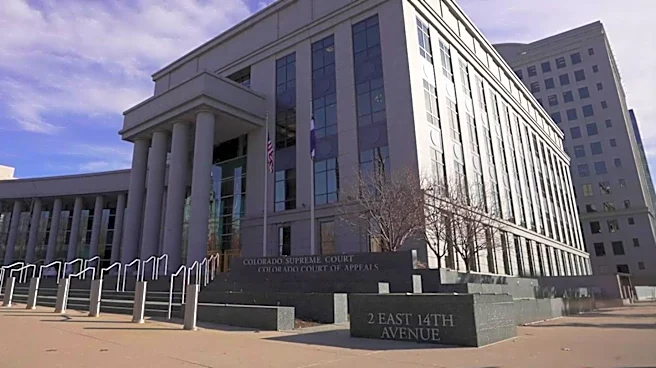
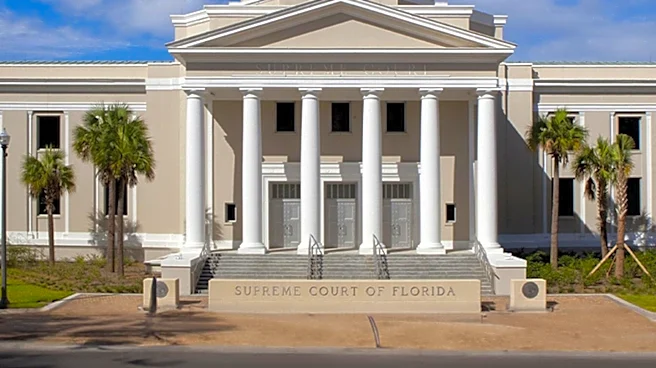
The Department of Homeland Security (DHS) has applauded a Supreme Court decision that permits the continuation of its voter citizenship verification program. On September 25, the Supreme Court, in a 6-3 ruling, allowed DHS's Modified Systematic Alien
Verification for Entitlements (SAVE) program to be used for verifying the citizenship of voters. This ruling overturns a previous order issued on June 22, 2026, by the U.S. District Court for the District of Columbia, which had attempted to halt the system's implementation. DHS had filed an emergency petition with the Supreme Court following the district court's order. According to DHS General Counsel James Percival, this decision is a 'victory for election integrity,' emphasizing the administration's stance on preventing non-citizens from voting illegally. The initiative aligns with President Trump’s Executive Order 14248, 'Preserving and Protecting the Integrity of American Elections,' signed in March 2025. This order mandates that the Secretary of Homeland Security ensure state and local officials have access to systems for verifying the citizenship or immigration status of registered or registering voters, without requiring a fee. The case was identified as Department of Homeland Security v. League of Women Voters.
Why It's Important?
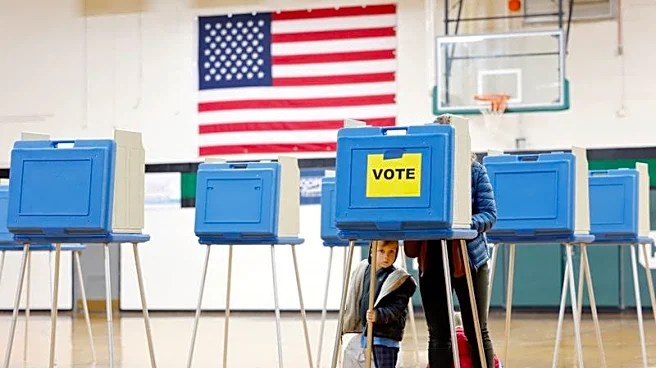
This Supreme Court decision is significant for U.S. election integrity and policy, as it reinforces the Trump administration's efforts to implement stricter voter verification measures. The ability of DHS to continue using the SAVE program for citizenship verification could impact voter registration processes nationwide, potentially leading to increased scrutiny of voter eligibility. Proponents argue that such measures are crucial for securing elections and ensuring that only eligible citizens cast ballots, thereby upholding the democratic process. Conversely, critics, such as the League of Women Voters, often raise concerns about potential voter suppression and the administrative burden these verification processes might place on eligible voters, particularly those from minority groups or those with complex citizenship documentation. The ruling also highlights the ongoing legal and political battles surrounding election laws and the balance between access to voting and election security. The outcome could set a precedent for future challenges to voter verification methods and influence how states manage their voter rolls, potentially leading to a more uniform approach to citizenship checks in elections across the country.
What's Next?
Following the Supreme Court's decision, DHS will proceed with the implementation and expansion of its Modified Systematic Alien Verification for Entitlements (SAVE) program for voter citizenship verification. State and local election officials are expected to gain continued access to this system, as mandated by President Trump’s Executive Order 14248. This could lead to a more widespread application of citizenship checks during voter registration and maintenance of voter rolls. Advocacy groups that oppose these measures, such as the League of Women Voters, may explore further legal avenues or engage in public awareness campaigns to address concerns about potential disenfranchisement. The ruling is likely to fuel ongoing debates in Congress and state legislatures regarding election security versus voter access, potentially influencing future legislative efforts related to voting rights and election administration. Additionally, the effectiveness and impact of the SAVE program on voter turnout and election outcomes will likely be closely monitored by various stakeholders, including political parties, civil rights organizations, and academic researchers.
Beyond the Headlines
The Supreme Court's decision on voter citizenship verification delves into deeper implications concerning the fundamental right to vote and the evolving landscape of election administration in the U.S. The concept of 'election integrity,' as championed by the Trump administration, often intersects with debates about voter access and potential barriers to participation. While the ruling aims to prevent non-citizens from voting, it also raises questions about the accuracy and efficiency of verification systems and the potential for erroneous purges of eligible voters. The emphasis on citizenship verification could disproportionately affect naturalized citizens or individuals with complex documentation, leading to increased administrative hurdles. This development also reflects a broader ideological divide in American politics regarding who should vote and how elections should be managed, with one side prioritizing security and the other emphasizing broad access. The long-term impact could include shifts in voter demographics, increased litigation over election procedures, and a re-evaluation of federal and state roles in overseeing electoral processes. The decision underscores the ongoing tension between ensuring secure elections and protecting the voting rights of all eligible citizens.