






What's Happening?
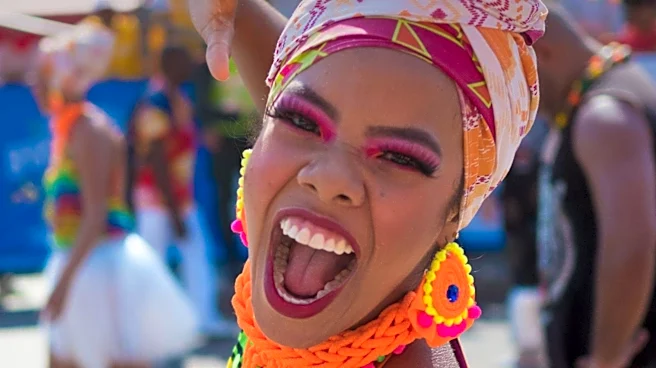
The sixth annual Multicultural Festival took place in JFK Plaza, Lowell, Massachusetts, on Saturday. Organized by the Dwelling House of Hope, a Lowell-based nonprofit, the all-day event showcased the city's cultural diversity. The festival brought together
artists, performers, vendors, and families, aiming to foster a unified celebration of community. Levenia Furusa, founder and executive director of the Dwelling House of Hope, emphasized the event's purpose of uniting various community agencies, diversity groups, artists, and families. Eight food booths offered dishes from countries such as Peru, Gabon, Cambodia, Thailand, Zimbabwe, and Morocco, alongside traditional American fare. Faith leaders from different religions also offered prayers for the city and its residents. The festival featured musical and dance performances, including the Lowell Community Charter Public School’s Afro-Latino Percussion Ensemble, Mill Advised, and the Boston Dabke Troupe. Local music artists Sam Hy (Genocide EXKP) and Kim San Le (Nasmik), both Cambodian-American, performed alongside Tatone Solis, who is from Puerto Rico. During their performance, Hy criticized U.S. Immigration and Customs Enforcement, stating the agency is 'terrorizing our communities' and urged unity.
Why It's Important?
This multicultural festival is important as it actively promotes social cohesion and understanding within the diverse community of Lowell. By bringing together various cultural groups through shared experiences of food, music, and art, the event helps to bridge potential divides and foster a sense of collective identity. The emphasis on unity, as highlighted by performers like Sam Hy and Tatone Solis, directly addresses historical or perceived tensions between different ethnic communities, such as the past conflicts between Latino and Cambodian communities mentioned by Hy. Such events are crucial for immigrant and minority populations, providing a platform to celebrate their heritage while integrating into the broader community. For the city of Lowell, which has a rich history of immigration, the festival reinforces its identity as a welcoming and inclusive place, potentially leading to stronger community bonds and reduced social fragmentation. The participation of local artists and community organizations also strengthens the local cultural economy and volunteer networks.
What's Next?
The Dwelling House of Hope will likely continue its efforts in community support and planning for future multicultural events, building on the success and positive reception of this year's festival. The organization's focus on bringing diverse groups together suggests ongoing initiatives to foster unity and address community needs. Local artists and performers who participated may gain increased visibility and opportunities within the Lowell community, potentially leading to more collaborations and cultural exchanges. The message of unity and resilience, particularly in the context of immigration issues raised by Sam Hy, could resonate within the community and potentially inspire further dialogue or advocacy regarding immigration policies and community support. The festival's success may also encourage other cities with diverse populations to adopt similar models for promoting cultural understanding and community integration.
Beyond the Headlines
The festival's deeper implications extend to the ongoing national discourse on immigration and cultural identity in the United States. Sam Hy's public criticism of U.S. Immigration and Customs Enforcement during his performance highlights the intersection of cultural celebration and political activism, reflecting the lived experiences and concerns of immigrant communities. The symbolic act of waving a flag combining Cambodian and Puerto Rican designs by San Le, and Solis's declaration, 'We are brothers and sisters,' underscore a powerful message of solidarity and shared humanity that transcends national origins. This event serves as a micro-example of how local communities are navigating and responding to broader societal challenges related to diversity, inclusion, and immigration. It demonstrates the role of cultural events not just as entertainment, but as vital platforms for expression, healing, and the forging of new, inclusive identities in a multicultural society.