

What's Happening?
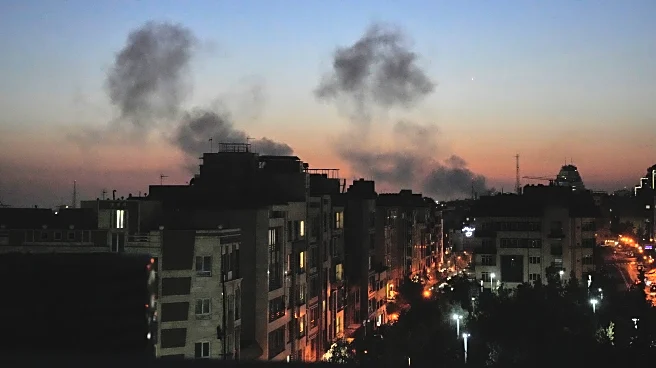
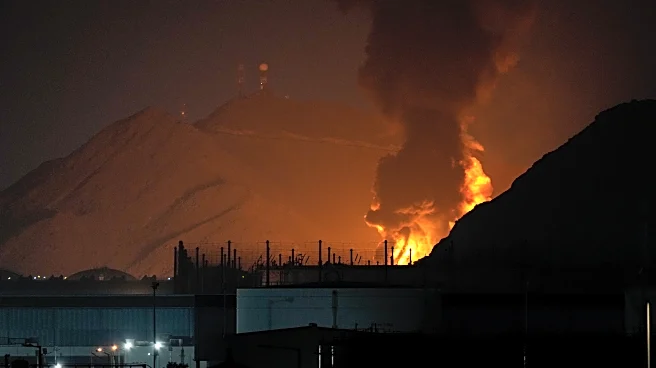
The ongoing conflict in the Middle East, involving the US and Israel against Iran, has led to significant disruptions in global airspace. As a result of the hostilities, airlines have been forced to reroute flights to avoid the conflict zones, creating
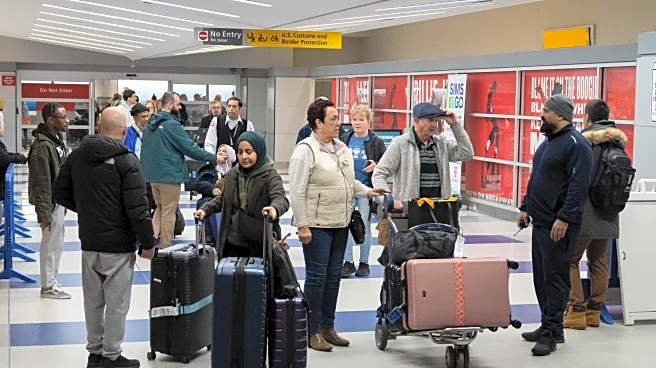
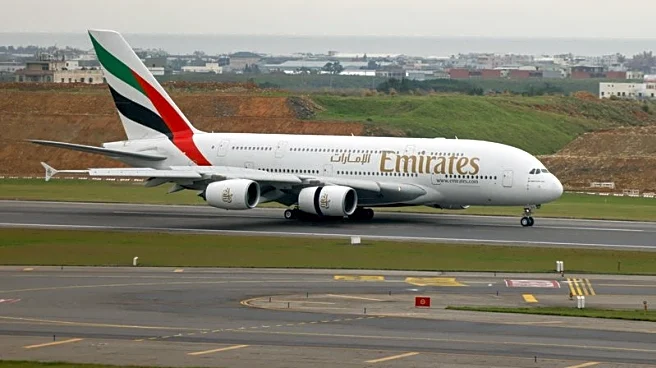
a substantial void in the typically busy airspace over the region. The conflict has resulted in the closure of multiple Flight Information Regions (FIRs), which are areas of airspace managed by specific countries. This has necessitated airlines to find alternative routes, primarily through the Caucasus and southern routes via Egypt, Saudi Arabia, and Oman. These changes have led to longer flight times, increased fuel consumption, and higher operational costs for airlines. The situation has also caused delays and cancellations, particularly affecting major hub airports in the region such as Dubai, which have seen limited operations.
Why It's Important?
The rerouting of flights due to the Middle East conflict has significant implications for the global aviation industry. Airlines are facing increased operational costs due to longer flight paths and higher fuel consumption. This situation is exacerbated by the need to avoid conflict zones, which adds complexity to flight planning and increases the risk of delays and cancellations. The financial impact is substantial, with a sell-off of airline stocks already occurring. The disruption also affects global supply chains, as air cargo capacity is reduced, impacting industries reliant on timely deliveries. The situation highlights the vulnerability of global air travel to geopolitical conflicts and the need for contingency planning to mitigate such risks.
What's Next?
As the conflict continues, airlines and air traffic control services will need to adapt to the evolving situation. This may involve further adjustments to flight routes and schedules to ensure safety and minimize disruptions. The aviation industry will likely continue to experience financial strain as long as the conflict persists. Stakeholders, including governments and international aviation organizations, may need to engage in diplomatic efforts to stabilize the region and restore normal air traffic operations. In the meantime, airlines will focus on optimizing their operations to manage costs and maintain service levels as much as possible.