





What's Happening?
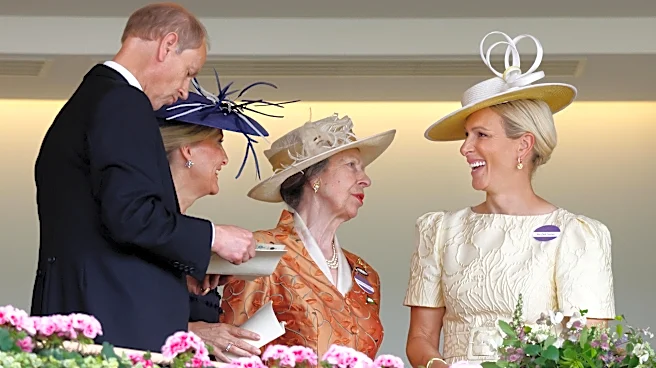
Duchess Sophie, serving as a global ambassador for the International Agency for the Prevention of Blindness, delivered a speech at the inaugural Global Summit for Eye Health in St John's, Antigua and Barbuda. During her address, she emphasized the critical
importance of treating avoidable blindness with the same seriousness as any other health challenge. She highlighted that for too long, treatable and avoidable blindness has been overlooked, often perceived as a non-vital or non-life-threatening condition. The Duchess stressed that effective and low-cost interventions can yield significant returns, not only by preventing individuals from losing their sight and limiting their life choices but also by restoring independence and dignity. The summit, held concurrently with the Commonwealth Heads of Government Meeting, secured approximately 200 commitments aimed at transforming eye health worldwide, including over US$1 billion in government pledges to combat avoidable sight loss. Delegates also committed to providing 68 million glasses and performing 13 million cataract surgeries. Following her speech, Duchess Sophie visited an eye clinic supported by the Cure Blindness Project, where she met Antiguan nurses who have undergone specialized ophthalmic training to expand eye care services across the country.
Why It's Important?
The Duchess of Edinburgh's advocacy at the Global Summit for Eye Health underscores a significant international effort to address a pervasive yet often neglected public health issue. Her remarks highlight the economic and social benefits of investing in eye care, particularly in regions where resources may be limited. By drawing attention to the 'huge returns' from low-cost interventions, the initiative aims to mobilize global support and funding. The commitment of over US$1 billion in government pledges and the promise of millions of glasses and cataract surgeries signify a substantial step towards reducing avoidable blindness globally. This effort has the potential to improve the quality of life for millions, enabling individuals to participate more fully in their communities and economies. Restoring sight can lead to increased productivity, educational opportunities, and overall well-being, thereby fostering sustainable development in affected regions. The involvement of a royal figure like Duchess Sophie lends considerable weight and visibility to the cause, potentially inspiring further philanthropic and governmental action.
What's Next?
The commitments made at the Global Summit for Eye Health, including over US$1 billion in government pledges and the provision of 68 million glasses and 13 million cataract surgeries, will now move into implementation phases. The International Agency for the Prevention of Blindness, with Duchess Sophie as a global ambassador, will likely play a key role in monitoring progress and coordinating efforts among participating nations and organizations. The focus will be on ensuring that these pledges translate into tangible improvements in eye health services, particularly in underserved communities. Continued training for healthcare professionals, like the Antiguan nurses met by Duchess Sophie, will be crucial for expanding access to care. Future initiatives may include further fundraising campaigns, technological advancements in eye care delivery, and policy reforms to integrate eye health into broader public health strategies. The success of these efforts will depend on sustained international cooperation and the effective allocation of resources to reach those most in need.
Beyond the Headlines
The emphasis on avoidable blindness extends beyond immediate health outcomes, touching upon deeper societal and ethical considerations. The Duchess's statement that 'it just does not have to happen' highlights the moral imperative to address preventable conditions that disproportionately affect vulnerable populations. The stories she shared—of a mother preparing meals, a student seeing the board, a father returning to employment, and a grandmother regaining independence—illustrate the profound human impact of restored sight. This initiative challenges the perception of blindness as an inevitable condition, reframing it as a solvable public health crisis with significant economic and social implications. By investing in eye health, societies can unlock human potential, reduce poverty, and promote greater equity. The global collaboration fostered by the summit also underscores the interconnectedness of global health challenges and the power of collective action to achieve widespread positive change, reflecting a growing understanding that health is a fundamental human right and a cornerstone of sustainable development.