
What's Happening?
The United States has imposed new sanctions targeting 14 individuals and companies involved in aiding Iran's acquisition of weapons. These entities, based in Iran, Turkey, and the United Arab Emirates,
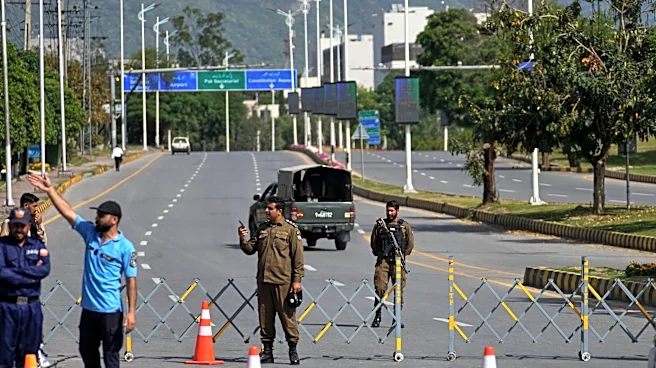
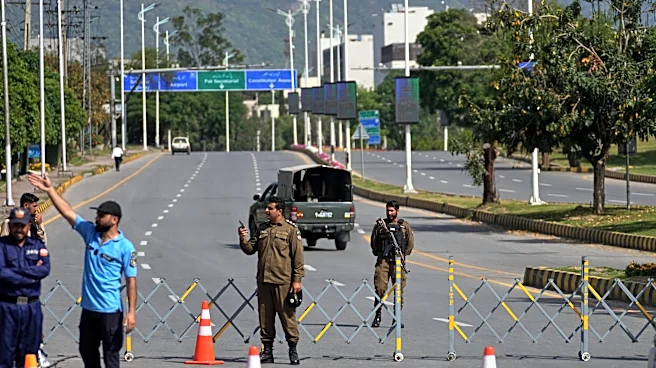
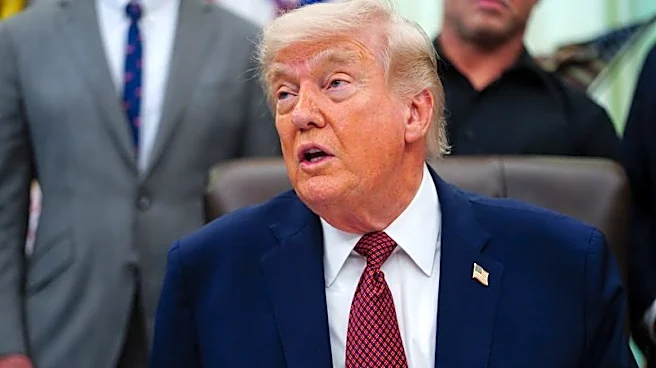
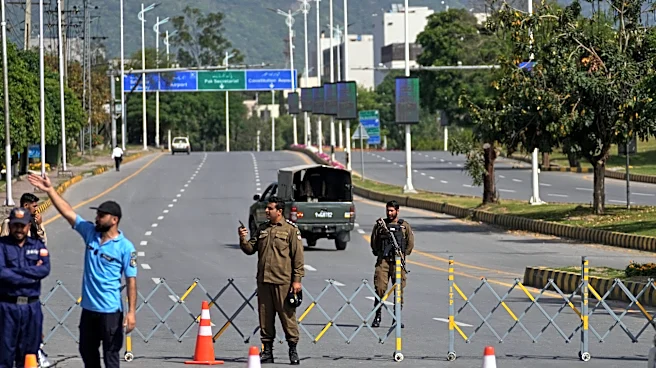
are accused of procuring or transporting weapons or components for Iran. The sanctions come as Iran attempts to rebuild its ballistic missile inventory following attacks by the U.S. and Israel. The U.S. Treasury Department announced these measures as part of ongoing efforts to curb Iran's military capabilities. This development occurs amidst a standoff between Washington and Tehran over potential negotiations to keep the Strait of Hormuz open and end the U.S.-Israel conflict with Iran. A two-week ceasefire, announced by President Trump, is nearing its end, with the President indicating readiness to resume military action if necessary.
Why It's Important?
The imposition of these sanctions highlights the ongoing geopolitical tensions between the U.S. and Iran, particularly concerning Iran's military capabilities and regional influence. The sanctions aim to disrupt Iran's ability to replenish its missile stockpiles, which could impact its military strategy and regional power dynamics. For the U.S., these actions are part of a broader strategy to exert pressure on Iran and limit its military expansion. The sanctions could also affect international relations, particularly with countries like Turkey and the UAE, which are implicated in the supply chain. Economically, these sanctions may further isolate Iran, impacting its economy and potentially leading to increased domestic unrest.
What's Next?
As the ceasefire deadline approaches, the potential for renewed military conflict looms if diplomatic efforts fail. The U.S. may continue to enforce and expand sanctions, while Iran might seek alternative means to circumvent these restrictions. The international community, particularly countries involved in the supply chain, may face diplomatic pressure to comply with U.S. sanctions. Additionally, the situation in the Strait of Hormuz remains critical, as it is a vital passage for global oil shipments. Any escalation could disrupt oil markets and impact global energy prices.