
What's Happening?
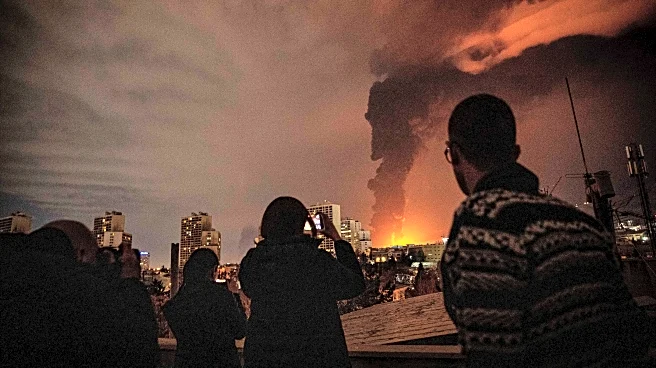
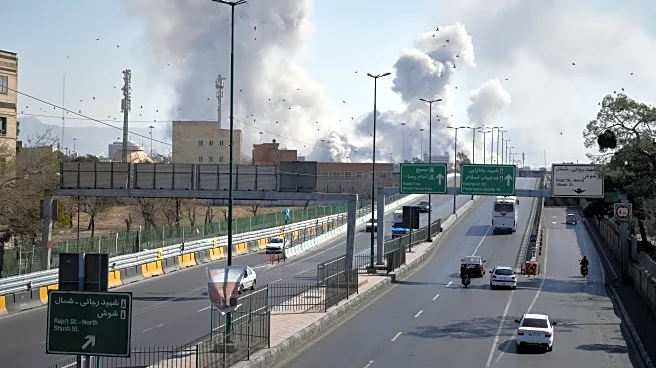
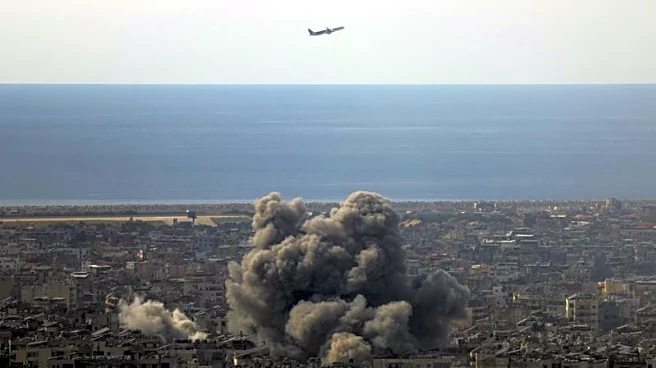
The U.S. military has reported the death of a seventh American service member in the ongoing conflict with Iran, which began over a week ago. The Iranian Red Crescent has reported that the death toll from U.S.-Israeli strikes in Iran has exceeded 1,300.
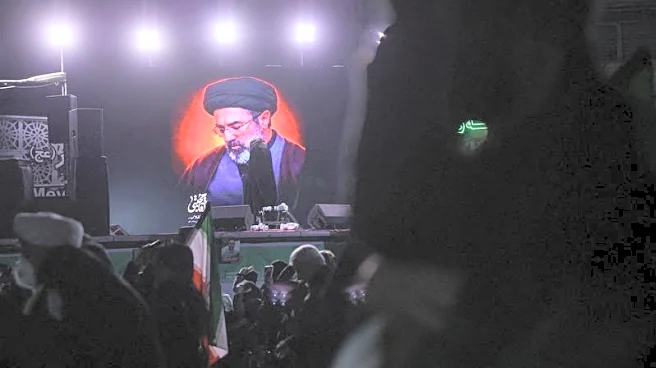
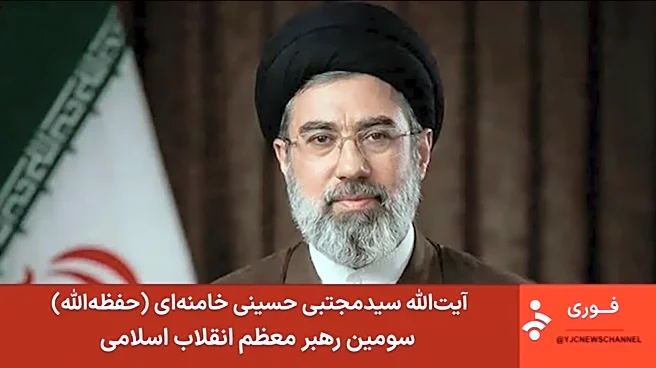
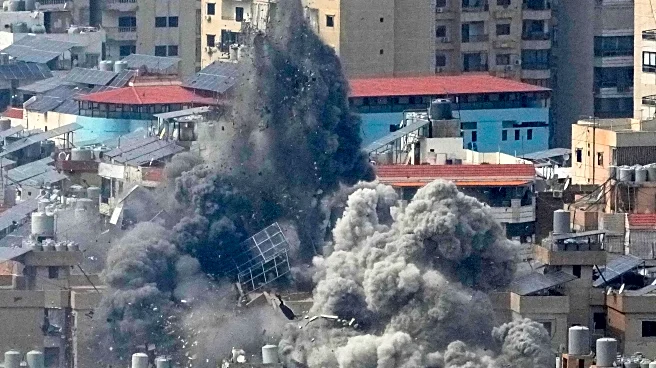
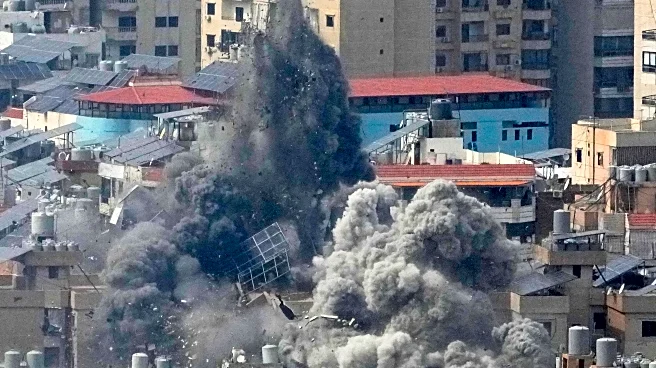
In Lebanon, nearly 400 people have been killed by Israeli strikes, according to the Lebanese Health Minister. Defense Secretary Pete Hegseth stated in a '60 Minutes' interview that more casualties are expected. President Trump has indicated that he is not interested in negotiations, suggesting the conflict may continue until Iran's military and leadership are dismantled. Meanwhile, Iran has named Mojtaba Khamenei as its next supreme leader.
Why It's Important?
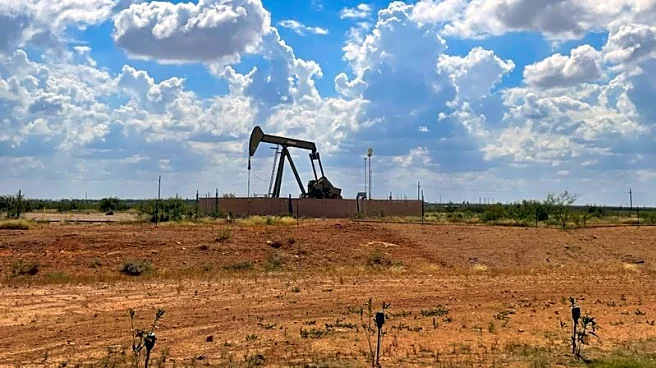
The conflict with Iran has significant implications for international relations and global stability. The rising death toll and continued military actions could lead to further escalation, impacting geopolitical dynamics in the Middle East. The conflict also affects global oil prices, with President Trump acknowledging high prices as a 'small price to pay.' The situation may influence U.S. foreign policy and military strategy, as well as domestic political discourse. The appointment of Mojtaba Khamenei as Iran's supreme leader could signal shifts in Iran's political landscape and its approach to the conflict.
What's Next?
The continuation of the conflict may lead to increased military engagement and further casualties. The U.S. and its allies may face pressure to seek diplomatic solutions or escalate military actions. The international community will likely monitor Iran's response to the leadership change and its impact on the conflict. Economic repercussions, such as fluctuating oil prices, could affect global markets and domestic economies. The situation may also influence upcoming political decisions and elections in the U.S. and other involved nations.