




What's Happening?
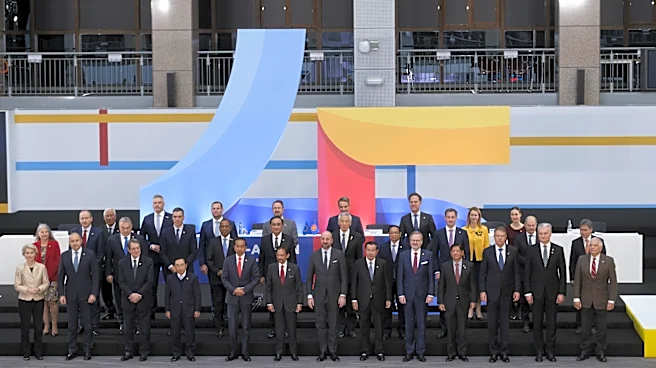
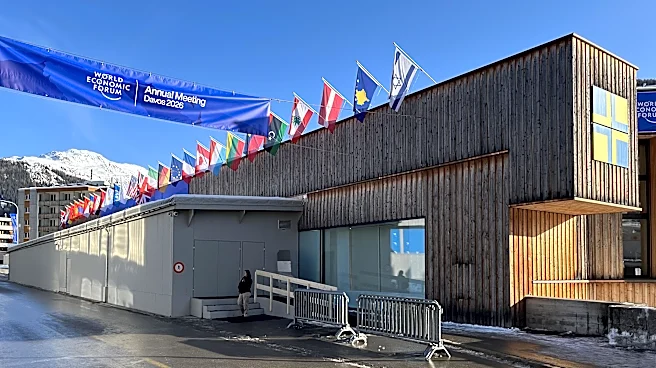
The upcoming COP31 climate conference in Antalya, Turkey, is set to implement a significant shift in its catering policy, aiming for 60% meat-free meals. This initiative also includes the presence of two fully plant-based cafes on-site and the participation
of two local vegan businesses in the food court. According to the Food & Climate Action Group, a coalition of over 20 non-profits, this move is a cause for celebration. The hosts will also prioritize clearer labeling, providing ingredient and nutritional information to help delegates make informed choices. This decision follows a UN-backed report indicating that most countries are unlikely to meet 2030 food system goals, particularly concerning greenhouse gas emission reductions, which require annual reductions exceeding 60%.
Why It's Important?
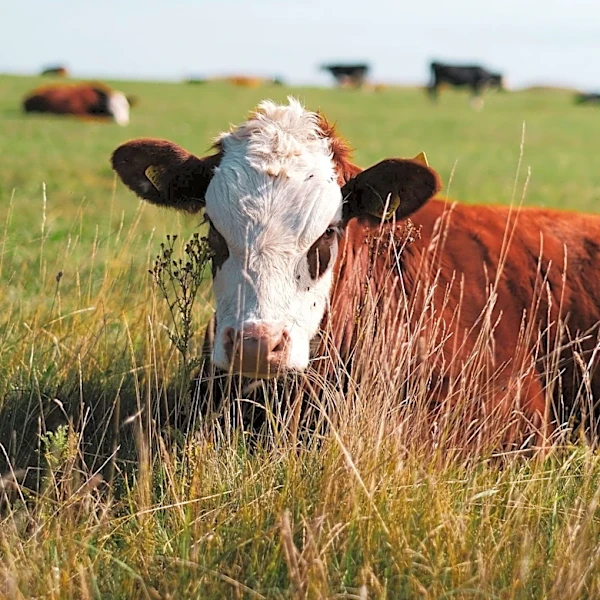
This catering policy at COP31 is important as it highlights the growing recognition of the link between global food systems and climate change. The production of animal-sourced foods contributes up to 20% of global emissions, making dietary choices a critical component of climate action. By offering predominantly plant-based options, COP31 aims to set an example and signal that leaders are serious about addressing climate change through food systems transformation. This move could influence future international conferences and encourage other organizations to adopt more climate-friendly catering practices. It also underscores the increasing pressure from civil society groups and youth movements for more sustainable food options at such high-profile events, demonstrating the impact of advocacy on policy decisions.
What's Next?
The implementation of the 60% meat-free catering and plant-based cafes at COP31 will be closely watched by environmental groups and climate activists. Success in this endeavor could establish a new precedent for future COP summits and other large-scale international gatherings, potentially leading to more widespread adoption of sustainable food policies. The clear labeling initiative could also become a standard practice, empowering attendees to make more informed and environmentally conscious food choices. Furthermore, the engagement of local vegan businesses could boost the plant-based economy in the host region and serve as a model for integrating local, sustainable enterprises into major events.
Beyond the Headlines
The focus on plant-based food at COP31 extends beyond mere catering; it represents a deeper cultural and ethical shift in how climate action is perceived and implemented. It challenges the traditional norms of large-scale event catering and promotes a more holistic approach to sustainability that includes dietary choices. This initiative also brings to light the ethical considerations surrounding animal agriculture and its environmental footprint, potentially influencing public perception and consumer behavior on a broader scale. By integrating plant-based options, COP31 is not just addressing emissions but also fostering a dialogue about sustainable living and responsible consumption, which could have long-term implications for global food policies and individual dietary habits.