






What's Happening?
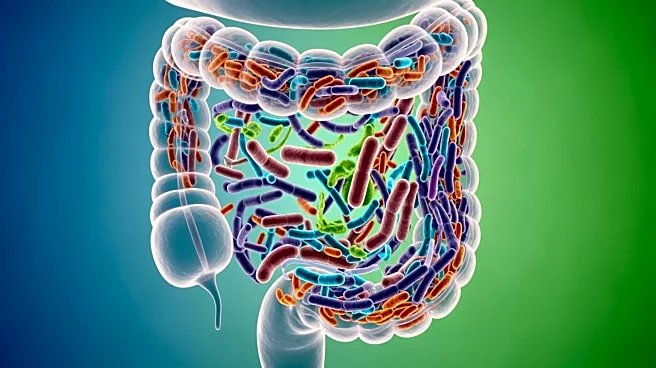
Recent research has uncovered a significant connection between the gut microbiome of infants and their risk of developing neurodevelopmental disorders such as autism spectrum disorder (ASD) and Attention-Deficit/Hyperactivity Disorder (ADHD). The study,
conducted by scientists at The Chinese University of Hong Kong, found that epigenetic changes present at birth can influence the development of gut bacteria during infancy. These changes, in turn, are linked to the risk of ASD and ADHD by age three. The research involved analyzing DNA methylation patterns in umbilical cord blood from 571 infants and gut microbiome samples from 969 infants at various stages of infancy. The study identified specific bacteria that may offer protective benefits against these disorders, suggesting potential future interventions through diet or probiotics.
Why It's Important?
This research is crucial as it opens new avenues for early intervention strategies aimed at reducing the risk of neurodevelopmental disorders. By understanding the role of gut bacteria in brain development, healthcare providers could potentially develop non-invasive treatments such as probiotics to support healthy brain development in infants. This could have significant implications for public health, particularly in reducing the prevalence of ASD and ADHD, which are common and impactful conditions. The findings also highlight the importance of prenatal and early-life health interventions, emphasizing the need for policies that support maternal and infant health to ensure optimal developmental outcomes.
What's Next?
The researchers plan to continue monitoring the participating children to further understand the long-term health impacts of early-life epigenetic patterns and microbiome development. Future studies will focus on confirming the protective role of specific gut bacteria and exploring the potential for developing probiotic treatments. These efforts could lead to the creation of new guidelines for infant care that incorporate microbiome health as a critical component of early childhood development strategies.
Beyond the Headlines
The study underscores the complex interplay between genetics, environment, and health, suggesting that while genetic predispositions exist, environmental factors such as diet and microbiome composition can significantly influence health outcomes. This research could lead to a paradigm shift in how neurodevelopmental disorders are understood and managed, moving towards a more holistic approach that considers both genetic and environmental influences.