







What's Happening?
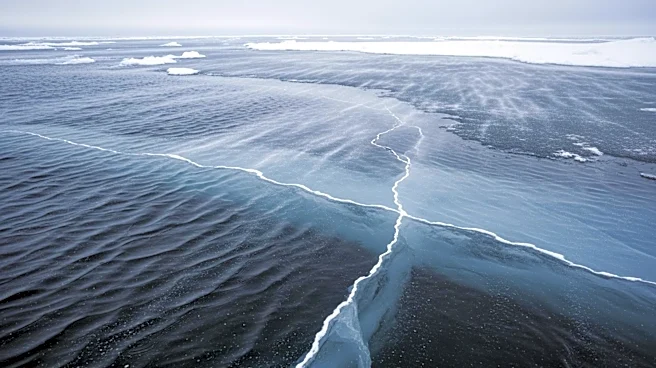
Recent research published in PNAS highlights a significant decline in Antarctic sea ice since 2016, following a period of expansion. The study, led by Earle Wilson and colleagues, attributes this decline to intensified wind-driven upwelling, which has
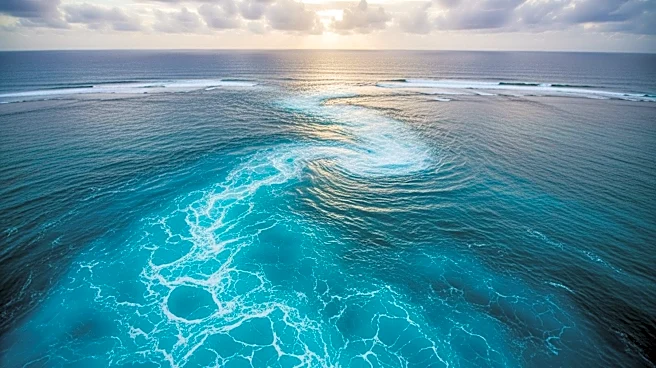
released accumulated ocean heat. This phenomenon has been linked to changes in wind patterns driven partly by climate change. The study utilized data from Argo floats, which revealed that increased precipitation had previously led to surface freshening, allowing for ice expansion. However, the shift in wind patterns has reversed these trends, leading to a rapid decline in sea ice. The research underscores the critical role of oceanic and atmospheric interactions in influencing sea ice trends.
Why It's Important?
The decline in Antarctic sea ice has significant implications for global sea levels and climate systems. As sea ice diminishes, it reduces the reflective surface area that helps regulate global temperatures. The loss of sea ice also threatens the stability of ice shelves, which act as barriers to the Antarctic ice sheet. If these ice shelves collapse, it could lead to accelerated ice loss from the continent, contributing to rising sea levels. This poses a risk to coastal communities worldwide, potentially displacing millions of people. The findings highlight the urgent need for enhanced monitoring and international cooperation to address the impacts of climate change on polar regions.
What's Next?
The study calls for increased international support to expand observing networks across the Antarctic region. This would improve the understanding of oceanic and atmospheric changes and their impacts on sea ice. Researchers emphasize the need for further studies to refine climate models and predict future sea ice trends. The potential for multiyear variability in sea ice extent remains, but the long-term trend is expected to be negative. Policymakers and scientists must collaborate to develop strategies to mitigate the impacts of sea ice loss and address the broader challenges posed by climate change.