






What's Happening?
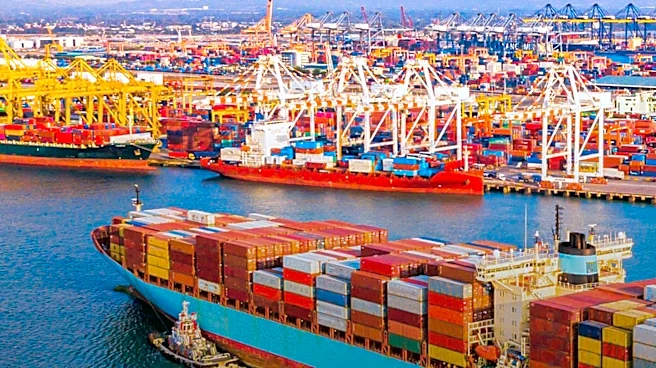
Ethiopia and Djibouti are deepening their long-standing diplomatic ties, particularly concerning port access, as Ethiopia seeks to diversify its sea access points. This move is seen as a catalyst for a more resilient alliance between the two nations,
fostering peace and enabling a collective response to emerging opportunities in East Africa. Their three-decade friendship has been instrumental in supporting each other's development. As global trade dynamics shift, both countries recognize the need to adapt and share the regional logistics burden. Ethiopia's pursuit of alternative sea access aims to transform the region by diversifying corridors and distributing logistics risks, thereby solidifying historical bonds and creating a robust framework for shared security, mutual economic relief, and lasting prosperity across the Horn of Africa. This initiative aligns with Ethiopian Prime Minister Abiy Ahmed's recent proposals, which prioritize national resilience, securing Red Sea access, and maintaining regional stability.
Why It's Important?
This deepening port diplomacy between Ethiopia and Djibouti holds significant importance for regional stability and economic development in the Horn of Africa. Ethiopia, a landlocked nation, relies heavily on Djibouti's ports for its international trade. By seeking alternative sea access, Ethiopia aims to reduce its dependence on a single corridor, thereby enhancing its economic security and resilience against potential disruptions. This diversification of logistics routes will also distribute strategic and economic burdens more effectively across the region. For Djibouti, strengthening its partnership with Ethiopia ensures continued economic benefits from port services and reinforces its role as a key logistical hub. The collaboration is crucial in a rapidly changing global environment where Middle Eastern and European nations are actively seeking alternative routes to bypass dangerous chokepoints. This strategic alignment will foster greater regional integration, promoting shared security and economic prosperity for both nations and the broader East African community.
What's Next?
The immediate next steps will likely involve continued diplomatic engagements and potential agreements between Ethiopia and Djibouti to formalize and expand port access arrangements. Ethiopia's government, under Prime Minister Abiy Ahmed, has clearly outlined its five-year priorities, which include securing Red Sea access and strengthening cooperative relations with neighbors based on mutual interests. This suggests that dialogue and negotiations will be prioritized to ensure reliable sea access. We can anticipate further discussions on infrastructure development, logistics coordination, and potential joint ventures to enhance the efficiency and capacity of regional port facilities. Other nations and international bodies with interests in East African trade and stability will likely monitor these developments closely, as successful integration could set a precedent for broader regional cooperation and economic growth.
Beyond the Headlines
Beyond the immediate economic and logistical benefits, this deepening port diplomacy carries significant geopolitical implications for the Horn of Africa. Ethiopia's quest for diversified sea access reflects a broader strategic imperative to enhance its national sovereignty and reduce vulnerabilities associated with single-point dependencies. This move could reshape regional power dynamics, potentially influencing alliances and trade routes across the Red Sea and East Africa. It also highlights the growing importance of economic diplomacy as a tool for fostering regional stability and mitigating conflicts. The success of this partnership could serve as a model for other landlocked nations seeking secure and diversified access to international trade routes, promoting a more interconnected and resilient African continent. Furthermore, it underscores the critical role of infrastructure development in achieving long-term peace and prosperity in a region often characterized by complex political landscapes.