





What's Happening?
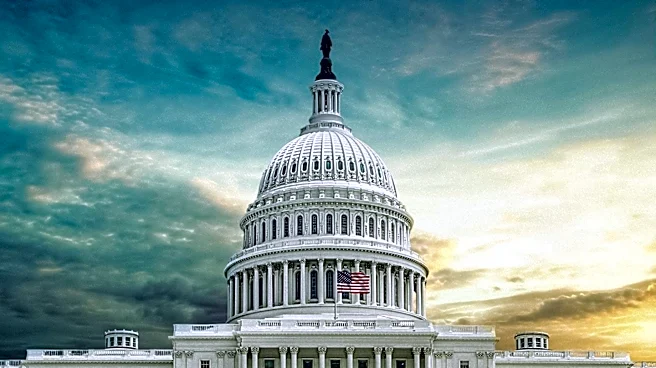
Senator Ron Wyden introduced the Congressional Trade Powers Reform Act of 2026, aiming to curb President Trump's extensive tariff powers. The bill seeks to require Congressional approval for tariffs imposed under Sections 301, 201, and 232 of trade laws.
This move comes after Trump announced 50% tariffs on Canadian goods, citing a rarely used trade law. Wyden criticized Trump's use of tariffs as reckless and emphasized the need for Congress to reclaim its authority over trade policy. The bill proposes a Joint Committee on Tariffs and Trade to review and recommend tariff proposals to Congress.
Why It's Important?
The proposed legislation addresses concerns about executive overreach in trade policy, highlighting the need for checks and balances. By requiring Congressional approval for tariffs, the bill aims to ensure more democratic oversight and accountability in trade decisions. This could lead to more stable and predictable trade policies, benefiting industries and consumers. The bill also reflects broader political dynamics, as Democrats seek to challenge Trump's trade agenda and assert legislative authority. The outcome of this legislative effort could have significant implications for U.S. trade policy and international relations.
What's Next?
The bill faces challenges in Congress, where Republicans hold majorities, and even if passed, it could be vetoed by President Trump. However, the proposal may spark broader discussions about the role of Congress in trade policy and the need for reform. The administration's response to the bill and potential negotiations with lawmakers will be closely watched. The situation may also influence future trade negotiations and economic strategies, as stakeholders seek to balance protectionist measures with international cooperation.