







What's Happening?
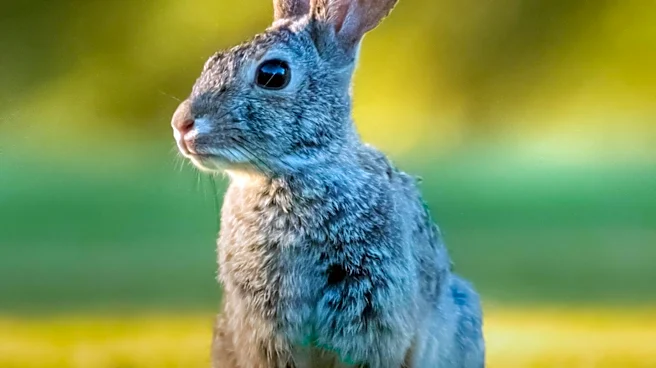
The Utah Division of Wildlife Resources has reported the detection of rabbit hemorrhagic disease in wild rabbits in Summit and Tooele counties. This highly contagious and often fatal virus poses a significant threat to the state's wild rabbit populations.
Wildlife officials are urging hunters and outdoor enthusiasts to take precautions to prevent the spread of the disease. The virus, which affects both domestic and wild rabbits, can lead to rapid population declines and disrupt local ecosystems. The discovery of the disease in Utah highlights the need for increased monitoring and preventive measures.
Why It's Important?
The presence of rabbit hemorrhagic disease in Utah is concerning for wildlife conservation efforts, as it threatens the survival of wild rabbit populations, which play a crucial role in local ecosystems. The disease's spread could have cascading effects on predator species and plant communities that rely on rabbits. Additionally, the outbreak underscores the importance of biosecurity measures to prevent the transmission of diseases between domestic and wild animals. The situation may prompt wildlife agencies to implement stricter regulations and increase public awareness to protect vulnerable species and maintain ecological balance.
What's Next?
In response to the outbreak, wildlife officials may enhance surveillance and research efforts to better understand the disease's impact and develop strategies to mitigate its spread. Public education campaigns could be launched to inform hunters and outdoor enthusiasts about the risks and necessary precautions. Collaboration with other states and federal agencies may also be pursued to coordinate efforts in managing the disease. Long-term, the situation may lead to policy changes regarding wildlife health monitoring and the management of diseases that affect both domestic and wild animal populations.