


What's Happening?
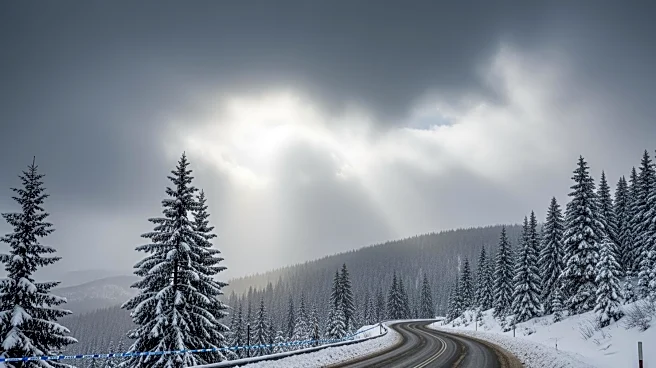
In the Rogue Valley, Oregon, the current winter season has seen a significantly low snowpack, which is expected to adversely affect agricultural activities in the region. Doug Bigham, owner of Bigham Farms, highlighted the reliance of agricultural lands
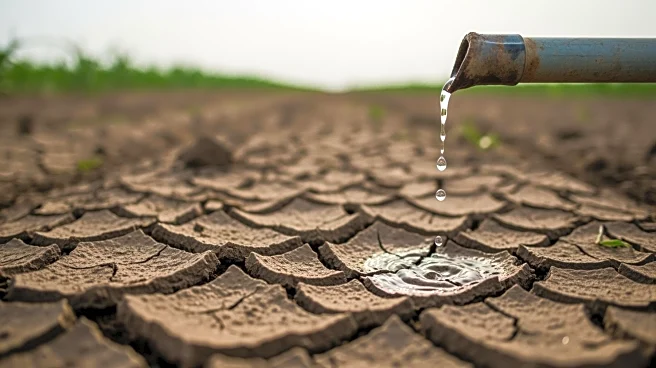
near Applegate Lake and Emigrant Lake on substantial snowpack for crop irrigation. The lack of sufficient snowpack means that as the days grow longer, the snowmelt will accelerate, necessitating increased use of drip irrigation systems. Bigham expressed concerns about the impact of low rainfall on water levels, which affects well water and livestock. Although some snow is forecasted in the coming days, it is unlikely to match the benefits of snowfalls typically seen in December and January.
Why It's Important?
The low snowpack in the Rogue Valley is a critical issue for local agriculture, as it directly influences water availability for crop irrigation. This situation could lead to increased operational costs for farmers who may need to invest in alternative irrigation methods like drip systems. The agricultural sector, a significant component of the local economy, could face challenges in maintaining crop yields, potentially affecting food supply and prices. Additionally, the situation underscores the broader implications of climate variability on agriculture, highlighting the need for adaptive strategies to manage water resources effectively.
What's Next?
Farmers in the Rogue Valley may need to prepare for a challenging growing season by exploring alternative irrigation methods and water conservation strategies. Local authorities and agricultural organizations might consider providing support and resources to help farmers adapt to these conditions. Monitoring weather patterns and snowpack levels will be crucial in planning for future agricultural activities. The community may also engage in discussions about long-term solutions to mitigate the impact of climate variability on agriculture.