



What's Happening?
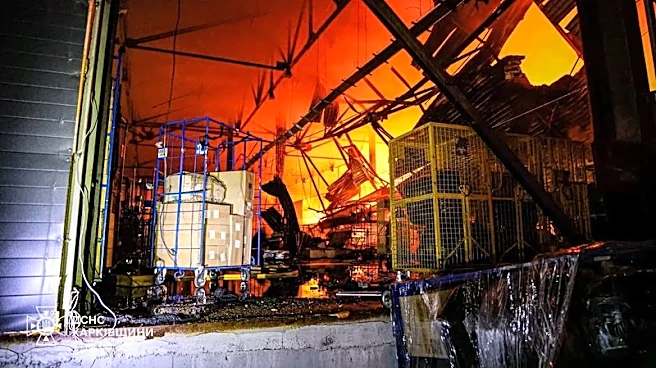
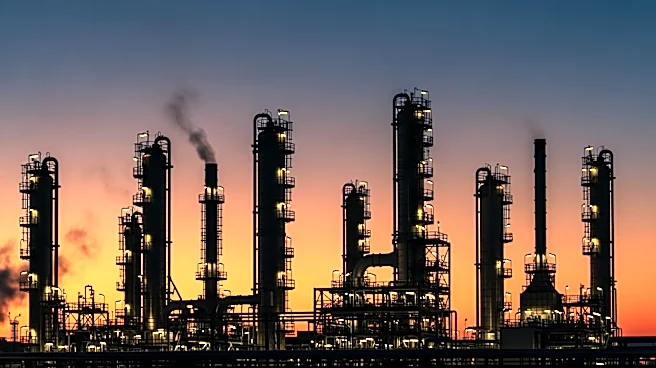
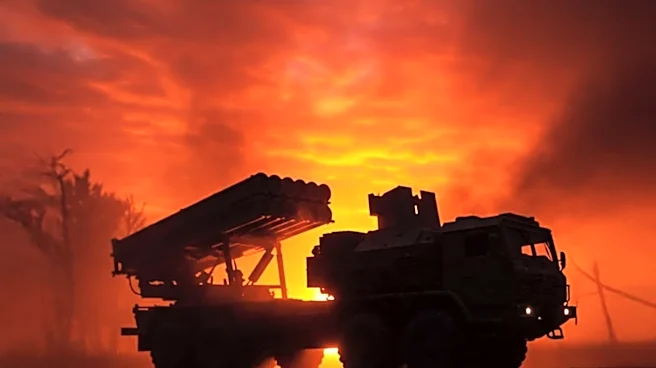
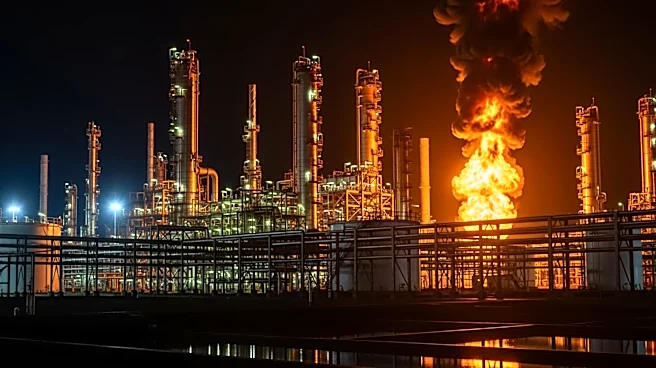
Ukrainian military forces have conducted strikes on oil facilities in Russia and Crimea, igniting fires and targeting key logistical hubs. The attacks are part of Ukraine's strategy to impose economic costs on Russia by disrupting its energy supply lines.
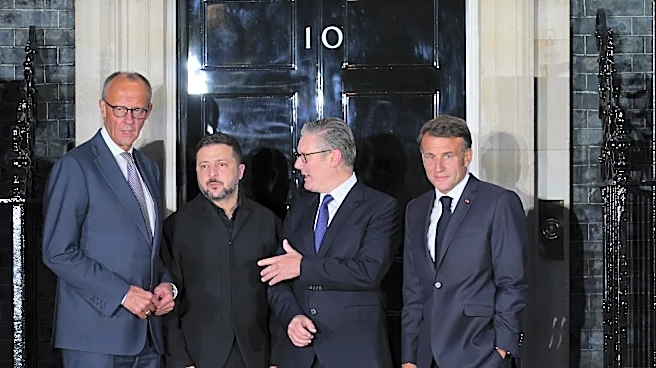
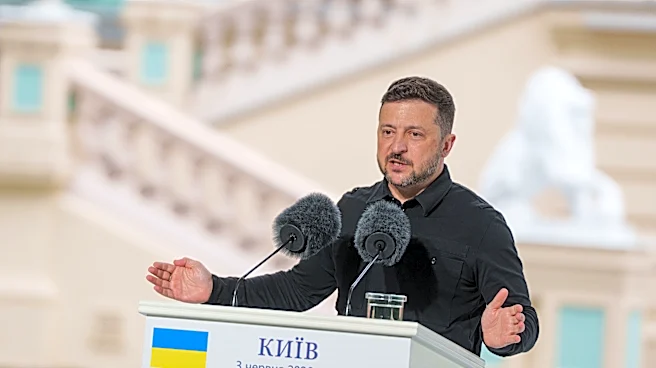
Notable targets include the Grushovaya oil transshipment base in Russia's Krasnodar Krai and the Semykolodezkaya oil base in Crimea. These facilities are integral to Russia's military fuel supply. Ukrainian President Volodymyr Zelenskyy has also confirmed that Roman Abramovich has been acting as a mediator between Kyiv and Moscow, indicating ongoing diplomatic efforts despite the conflict.
Why It's Important?
These strikes are strategically significant as they aim to weaken Russia's military logistics and increase the economic burden of the war. By targeting energy infrastructure, Ukraine seeks to disrupt Russian military operations and create logistical challenges. The involvement of Roman Abramovich as a mediator highlights the complexity of the conflict, where military actions are paralleled by diplomatic communications. The international community is likely to view these developments as a critical juncture in the conflict, potentially influencing future sanctions and diplomatic strategies.
What's Next?
The immediate aftermath of these strikes may see Russia reinforcing its energy infrastructure and possibly retaliating with increased military actions. The diplomatic communications facilitated by Abramovich suggest that there may be further attempts at negotiation or conflict resolution. However, the situation remains tense, and the international community will be closely watching for any shifts in military or diplomatic strategies. The potential for further escalation or resolution will depend on the responses from both Russia and Ukraine, as well as international diplomatic efforts.