



What's Happening?
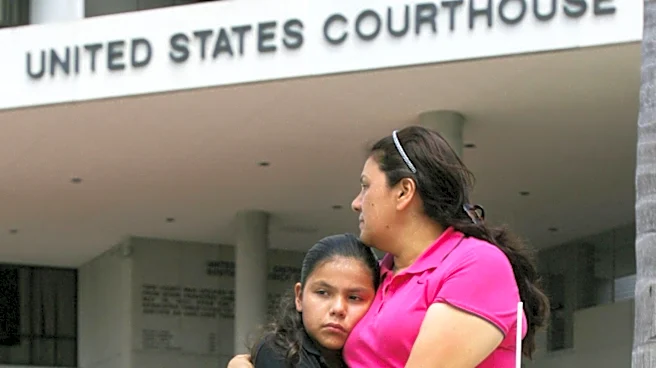
A federal contract that provided legal services to approximately 24,000 unaccompanied minors in the United States has expired, raising concerns about the future of these children's legal representation. The contract, which funded about 100 legal groups
nationwide, allowed these organizations to offer legal assistance to children who entered the U.S. without documentation or a legal guardian. With the contract's expiration, it remains unclear who will take over the responsibility of representing these minors. Melissa Lopez, executive director of Estrella El Paso, expressed uncertainty about the children's future legal representation. The Trump administration has not provided a reason for allowing the contract to lapse, nor has the Department of Health and Human Services commented on future policies. The expiration coincides with the administration's broader deportation efforts, which aim to expedite court processes and increase deportations.
Why It's Important?
The expiration of this contract could significantly impact the legal outcomes for thousands of unaccompanied minors in the U.S. Without legal representation, these children face a higher risk of deportation, potentially returning to dangerous situations in their home countries. The situation highlights the ongoing challenges within the U.S. immigration system, particularly concerning the rights and protections of vulnerable populations. The lack of clarity on future legal support raises ethical concerns, as organizations have reported financial strain due to withheld payments and demands for client information. This development could lead to increased layoffs and furloughs within the nonprofit sector, further diminishing the capacity to support these children.
What's Next?
The future of legal representation for unaccompanied minors remains uncertain. Advocacy groups and lawmakers are seeking clarity from the government on how it plans to comply with legal obligations to provide representation for these children. Two Democratic representatives have requested details from the Department of Health and Human Services on how it will ensure compliance with statutory requirements. The outcome of these inquiries could influence future policy decisions and the availability of legal support for unaccompanied minors. The situation may also prompt further legislative or judicial actions to address the gap in legal services.
Beyond the Headlines
The expiration of the contract raises broader questions about the U.S. government's commitment to protecting vulnerable immigrant populations. The ethical implications of withholding payments and demanding client information from legal service providers highlight potential conflicts between government policies and the ethical obligations of legal professionals. This situation could lead to long-term shifts in how legal services are funded and provided to unaccompanied minors, potentially influencing future immigration policies and the role of nonprofit organizations in the immigration system.