





What's Happening?
The U.S. Senate has approved a short-term extension of a controversial surveillance program until April 30, following a tumultuous session in the House of Representatives. The program, which allows U.S. spy agencies to collect and analyze overseas communications
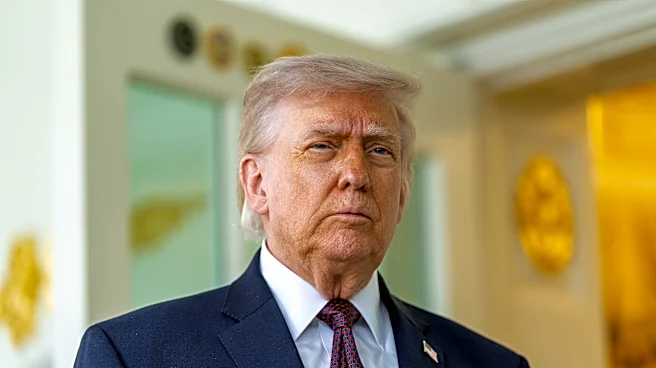
without a warrant, was set to expire soon. The Senate's decision came after the House failed to pass a longer renewal due to internal disagreements. The extension was passed by voice vote and now awaits President Trump's signature. The debate centers around Section 702 of the Foreign Intelligence Surveillance Act, which has been criticized for potentially infringing on civil liberties while being defended as crucial for national security.
Why It's Important?
The extension of surveillance powers is a critical issue balancing national security and civil liberties. The program is deemed essential by intelligence agencies for preventing terrorist activities and cyber threats. However, it has faced criticism for potential overreach and misuse, particularly concerning the incidental collection of American communications. The legislative struggle reflects broader tensions within Congress over privacy rights and security needs. The outcome of this debate could influence future policies on surveillance and privacy, impacting how intelligence is gathered and used in the U.S.
What's Next?
With the short-term extension in place, Congress will need to revisit the issue soon to decide on a longer-term solution. This will likely involve further negotiations and potential amendments to address privacy concerns while maintaining security capabilities. Lawmakers will need to find a compromise that satisfies both security needs and civil liberties advocates. The ongoing debate may also lead to increased public scrutiny and calls for transparency in how surveillance powers are exercised.