







What's Happening?
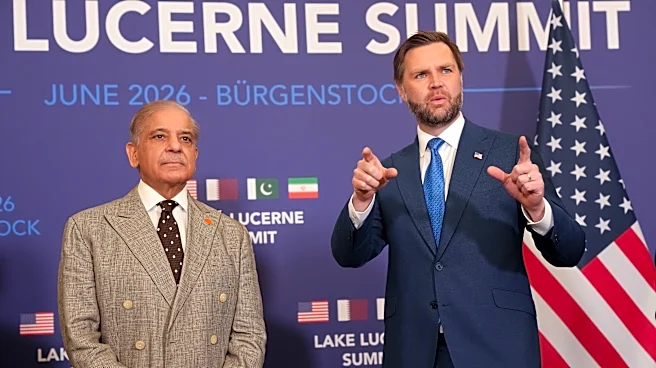
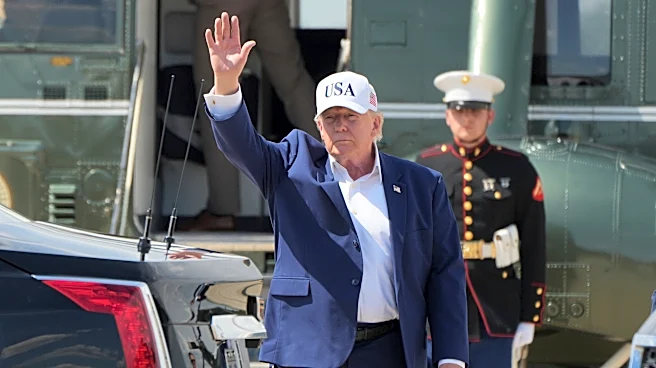
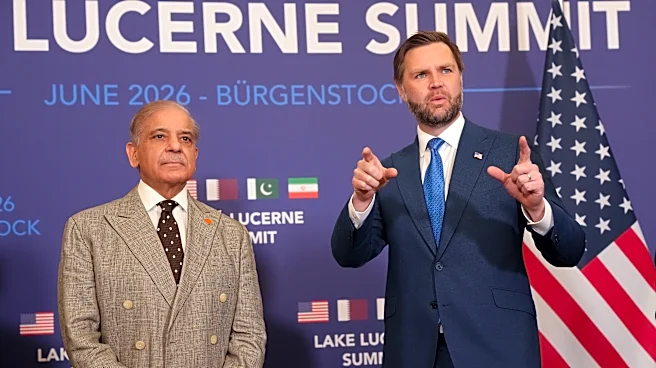
Senator Tom Cotton, known for his strong opposition to former President Barack Obama's nuclear agreement with Iran, has taken a more measured approach to a new deal under President Trump. The current framework, promoted by President Trump and Vice President JD
Vance, involves a 14-point plan that trades Iranian nuclear limits for sanctions relief. Cotton, who is the chair of the Intelligence Committee, expressed concerns on Fox News about certain aspects of the deal, suggesting they might be a step in the wrong direction. He warned that the administration could potentially squander the leverage built over Tehran. This stance marks a significant shift from his previous actions in 2015, where he led GOP senators in sending a letter to Iran's supreme leader, declaring the Obama-era deal easily reversible.
Why It's Important?
The shift in Senator Cotton's stance highlights the complexities and evolving dynamics of U.S. foreign policy, particularly regarding Iran. His tempered criticism suggests a potential alignment or at least a strategic pause in the GOP's approach to Iran under a Republican administration. This development could influence U.S. diplomatic relations and the broader geopolitical landscape, as it reflects a possible shift in how the U.S. might engage with Iran moving forward. The deal's implications for nuclear non-proliferation and regional stability are significant, affecting not only U.S. national security interests but also those of allies in the Middle East. Stakeholders in the defense and diplomatic sectors will be closely monitoring the administration's next steps.
What's Next?
As the new Iran deal framework is further developed and potentially implemented, reactions from both domestic and international stakeholders will be critical. The U.S. Congress may seek to review or influence the deal's terms, while allies and adversaries in the region will assess its impact on their security and diplomatic strategies. The administration will need to navigate these complex dynamics, balancing domestic political pressures with international diplomatic objectives. Future negotiations with Iran will likely focus on ensuring compliance and addressing any contentious issues that arise from the deal's implementation.