




What's Happening?
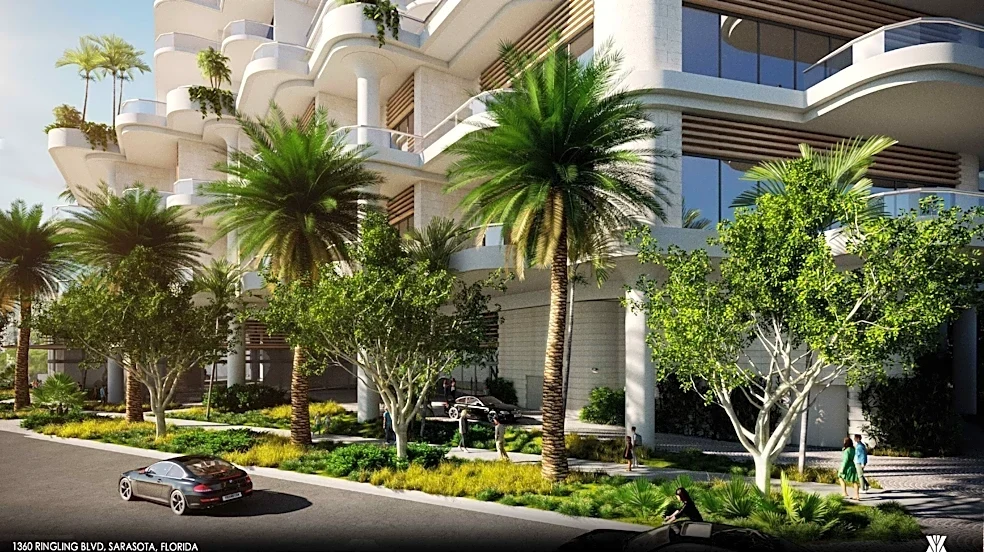
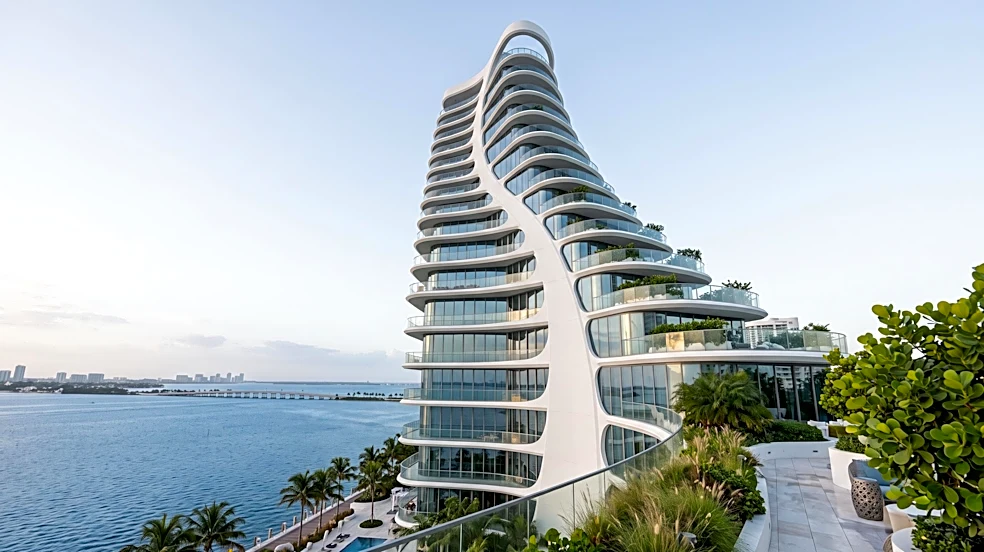
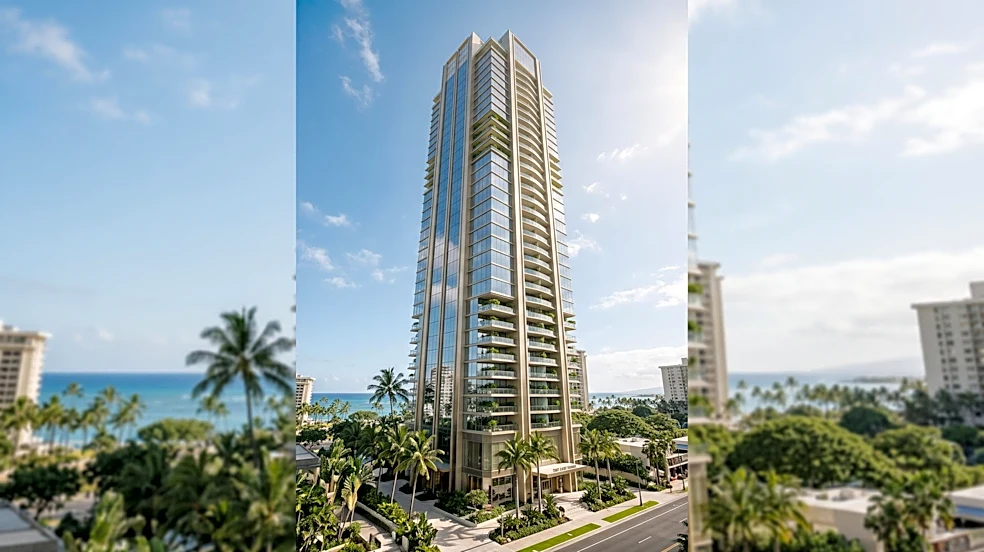
The Honolulu City Council has approved the development of a new luxury tower, 'Park Lane 2,' at 1588 Ala Moana. This project, spearheaded by BlackSand Capital, will include a luxury hotel, condominiums, and 69 affordable rental units. However, the UNITE
HERE Local 5 union, representing healthcare and hotel workers, has voiced strong opposition, arguing that the number of affordable units is insufficient and that the proposed rent of $2,300 per month for these units is not truly affordable for working-class individuals. Union representatives, including research analyst Ben Sadoski and Kaiser Permanente surgical technician Ray Bragado, highlight that many of their members are already struggling with high housing costs, leading some to leave the state. They emphasize that while the project is seen as a 'moneymaker,' it overlooks the broader community impact and the need for genuinely affordable housing options.
Why It's Important?
This development underscores a critical tension in urban planning and economic growth within U.S. cities, particularly in high-cost areas like Honolulu. The union's concerns reflect a nationwide struggle to balance luxury development with the pressing need for workforce housing. When housing costs outpace wages, essential workers, such as healthcare and hotel staff, are priced out of the communities they serve. This can lead to labor shortages, increased commuting times, and a decline in the overall quality of life for a significant portion of the population. The approval of 'Park Lane 2' despite these affordability concerns highlights a policy challenge where economic development, often measured by high-value projects, may not align with the social and economic well-being of the local workforce. The situation in Honolulu mirrors similar debates across the U.S. where rapid development can exacerbate existing housing crises.
What's Next?
The approved luxury tower project is expected to move forward, but the concerns raised by UNITE HERE Local 5 are likely to persist and could influence future development discussions in Honolulu. The union's advocacy for more affordable housing and lower rents suggests continued pressure on developers and local government to address the housing affordability crisis. This could manifest in ongoing public discourse, potential protests, or renewed efforts to negotiate for more favorable terms in future projects. The broader implications might include increased scrutiny of similar luxury developments and a push for more stringent affordable housing mandates in other U.S. cities facing similar challenges. The union's involvement also signals a growing trend of labor organizations expanding their advocacy beyond traditional wage and benefit negotiations to include broader community issues like housing.
Beyond the Headlines
The debate surrounding the 'Park Lane 2' project in Honolulu touches upon deeper societal implications beyond just housing numbers. It highlights the ethical dilemma of urban development that prioritizes profit over community needs, potentially leading to displacement and increased social stratification. The union's argument that such projects impact 'water, wastewater, electricity, sewage, education system, police and fire resources' points to the often-overlooked strain on public infrastructure and services when large-scale developments proceed without adequate planning for population growth and resource consumption. This situation also raises questions about the long-term sustainability of cities where essential workers cannot afford to live, potentially leading to a loss of community diversity and resilience. The struggle in Honolulu is a microcosm of a national challenge to create equitable and sustainable urban environments.