



What's Happening?
Xcel Energy is undertaking a $1.2 billion transmission project, supported by $250 million in federal funding, to connect its Colorado and Texas grids. This initiative aims to enhance access to electricity from the Southwest Power Pool (SPP), one of the largest
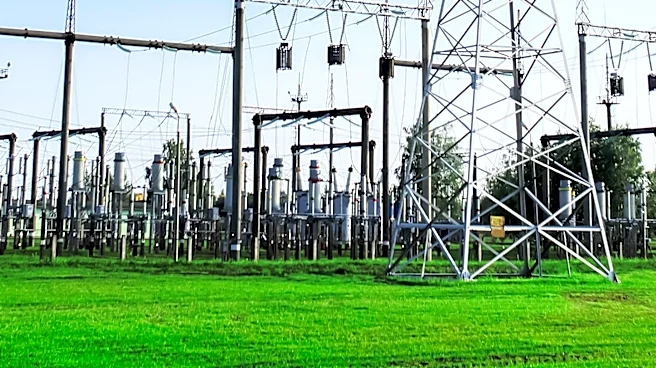
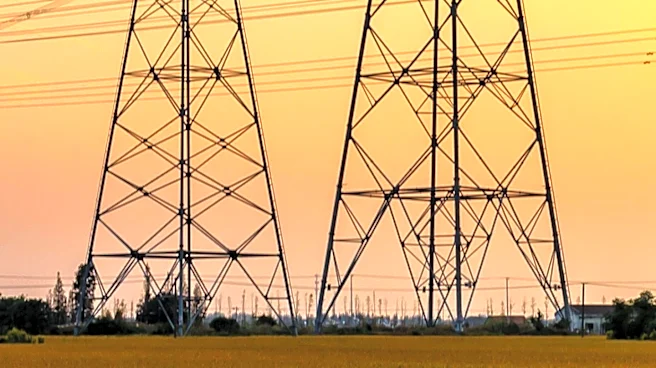
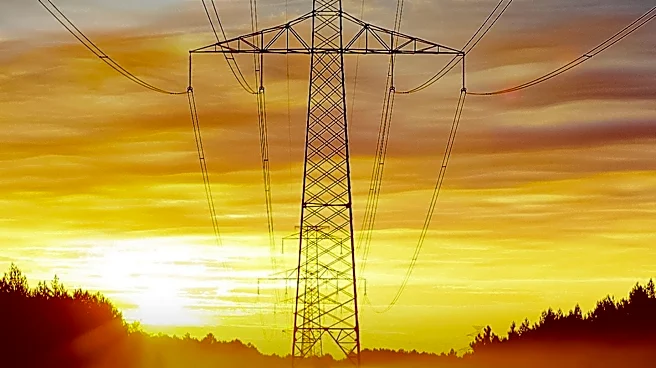
grid operators in the U.S. The project involves upgrading a tie-line between Finney, Texas, and Lamar, Colorado, to increase its capacity from 210 MW to 700 MW, with potential for future expansion to 2,000 MW. This upgrade includes 12 miles of new transmission lines and the replacement of 16 miles of existing lines in Colorado. The SPP grid spans all or parts of 17 states, featuring 73,000 miles of transmission lines and 65,000 MW of generating capacity, including 35,000 MW of wind power from 231 wind farms. The $250 million federal grant is part of the U.S. Department of Energy’s $1.9 billion 'Speed to Power' (SPARK) program, which is funding 31 grid improvement projects across 26 states. The remaining 80% of the project cost will be borne by electric customers. The project still requires approvals from the Colorado Public Utilities Commission and the Federal Energy Regulatory Commission.
Why It's Important?
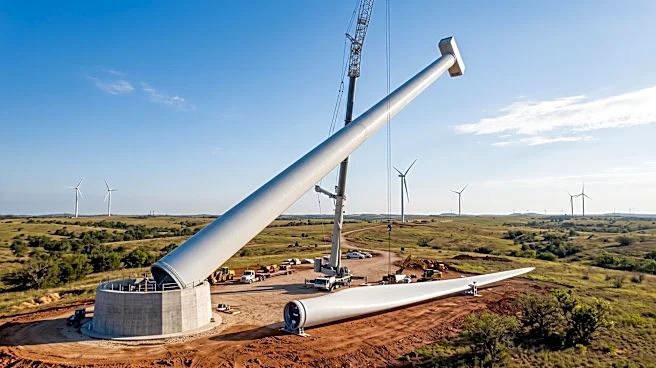
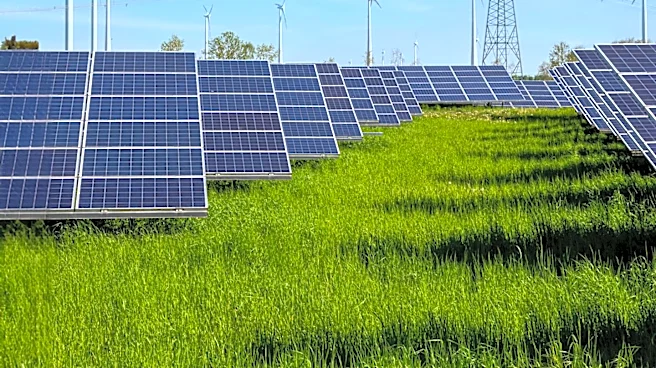
This project is crucial for improving energy affordability, reliability, and the integration of clean energy into the grid for Colorado and the Western United States. By linking Xcel Energy's Colorado subsidiary, Public Service Company of Colorado, with its Texas affiliate, Southwestern Public Service, the project will provide a significantly larger geographical footprint for accessing wind resources within the Southwest Power Pool. This enhanced interconnection will allow for more efficient movement of electricity over long distances, utilizing high-voltage DC technology. The federal backing underscores the government's commitment to modernizing the grid and ensuring a secure, abundant, and reliable power supply, especially during severe weather events. The project's ability to unlock more clean energy resources aligns with broader national goals for renewable energy integration and grid resilience. While customers will bear the majority of the cost, the federal funding reduces the overall financial burden on them, making the project more feasible and beneficial for the region's energy future.
What's Next?
The project is currently awaiting approvals from the Colorado Public Utilities Commission and the Federal Energy Regulatory Commission, which are necessary for this interstate transmission initiative to proceed. Once approved, Xcel Energy will move forward with the construction phases, which include upgrading the tie-line and installing new transmission infrastructure. The project is designed to connect to Xcel Energy’s existing $1.7 billion Power Pathway transmission project, which aims to deliver electricity to population centers along Colorado's Front Range. The SPP board has also voted to conduct a study to further enhance the interface between the eastern and western interconnections, with preliminary analyses suggesting the potential for creating 5,500 MW of east-west capacity. This indicates a broader, ongoing effort to improve grid connectivity and capacity across the U.S., with Xcel Energy's project serving as a significant step in this direction.
Beyond the Headlines
This transmission project highlights the complex interplay between state-level energy initiatives, federal funding, and regional grid operators in modernizing the U.S. electrical infrastructure. The integration of Xcel Energy's Colorado operations with the Southwest Power Pool, despite its Colorado subsidiary not being a direct SPP member, showcases innovative approaches to leveraging existing infrastructure and regional partnerships for broader energy benefits. The project's emphasis on accessing wind resources from the SPP underscores a strategic shift towards renewable energy sources and away from traditional fossil fuels. The allocation of federal funds through programs like SPARK reflects a national policy push to enhance grid resilience against extreme weather and cyber threats, while also promoting clean energy. The financial model, where customers bear the majority of the cost, also brings to light ongoing debates about equitable cost distribution for critical infrastructure upgrades and the role of public-private partnerships in funding such large-scale projects.