



What's Happening?
A study published in the journal Annals of Tourism Research reveals that former Antarctic tour guides are quitting their jobs due to growing concerns over the environmental impact of tourism on the continent. Researchers Zdenka Sokolickova and Liz Cooper
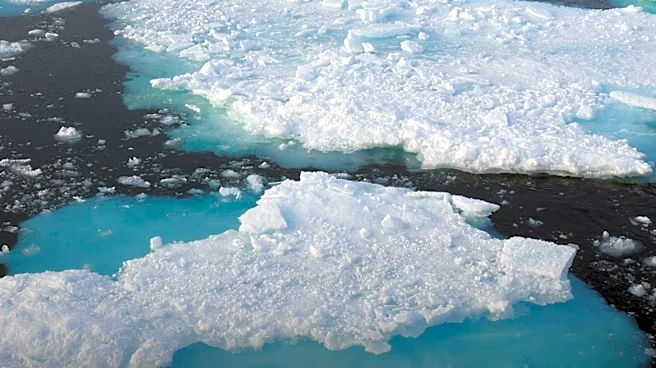
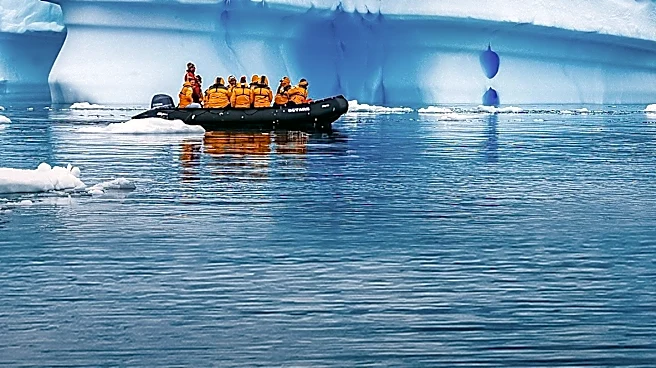
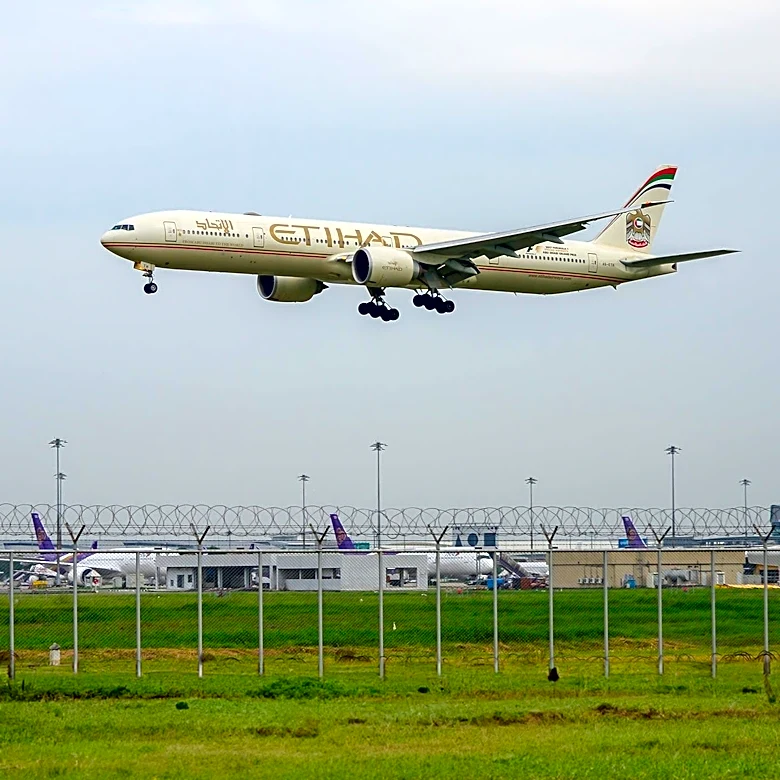
interviewed 25 former guides who cited various 'tipping points' that led to their decision to leave the industry. These incidents included cruise ships breaking sea ice for guest experiences, a ship hitting a whale in the Arctic, and the discovery of a penguin chick struggling in a boot hole left by tourists. The guides expressed internal conflict and uneasiness with their roles, feeling that their values were no longer aligned with the practices of the booming Antarctic tourism industry. Despite the industry being relatively small, with around 120,000 visitors annually, it is considered the most carbon-intensive form of tourism due to long-haul flights and cruise ship emissions. The fragile Antarctic ecosystem and its wildlife populations are easily disrupted, and the long-term effects of tourism are not fully understood.
Why It's Important?
The departure of experienced Antarctic tour guides due to environmental concerns highlights a critical ethical dilemma within the tourism industry, particularly in vulnerable ecosystems. This trend underscores the growing awareness among those directly involved in such activities about the tangible and often irreversible damage being inflicted on natural habitats. The guides' testimonies reveal a significant conflict between the economic benefits of tourism and the imperative of environmental preservation. Their decision to leave, often at personal cost, signals a potential shift in how the environmental impact of travel is perceived and acted upon by industry insiders. This could lead to increased pressure on tour operators and regulatory bodies to implement more stringent environmental protection measures and promote genuinely sustainable tourism practices. The situation also brings to light the broader societal challenge of balancing human desire for exploration and unique experiences with the responsibility to protect the planet's most delicate regions.
What's Next?
The findings of this study could prompt increased scrutiny of Antarctic tourism operations and potentially lead to calls for stricter regulations from environmental organizations and concerned citizens. Tour operators may face pressure to adopt more sustainable practices, such as reducing carbon emissions, implementing stricter guidelines for tourist interactions with wildlife, and investing in conservation efforts. There might also be a push for greater transparency regarding the environmental footprint of Antarctic cruises and flights. For individuals considering such trips, the study encourages a deeper reflection on the 'why' behind their travel choices, urging them to consider the environmental consequences and explore lower-impact alternatives. The experiences of these former guides could inspire other professionals in environmentally sensitive industries to re-evaluate their roles and advocate for more responsible practices, potentially fostering a broader movement towards ethical tourism.
Beyond the Headlines
The phenomenon of tour guides quitting due to environmental distress points to a deeper societal reckoning with the consequences of human activity on the planet. It highlights the psychological toll on individuals who witness environmental degradation firsthand, often in pursuit of what was once a 'dream job.' This internal conflict, where personal values clash with professional responsibilities, can lead to significant life changes, as many of the former guides transitioned into environmentally focused careers. The study also touches upon the concept of 'last-chance tourism,' where people rush to see endangered places before they disappear, inadvertently accelerating their decline. This raises ethical questions about the commodification of natural wonders and the responsibility of tourists and operators alike. The guides' struggle to reconcile their love for Antarctica with the damage caused by tourism reflects a broader tension in modern society between consumption and conservation, urging a re-evaluation of our relationship with the natural world.