






What's Happening?
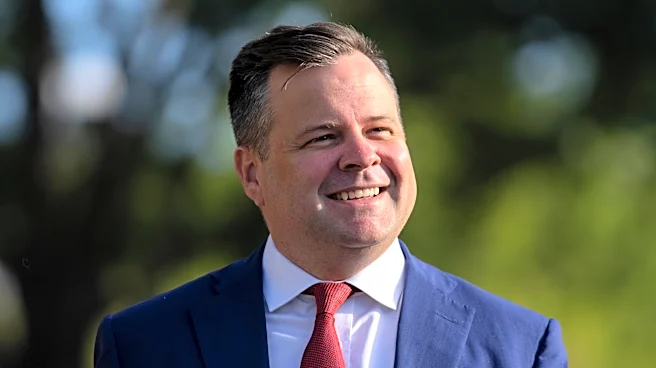
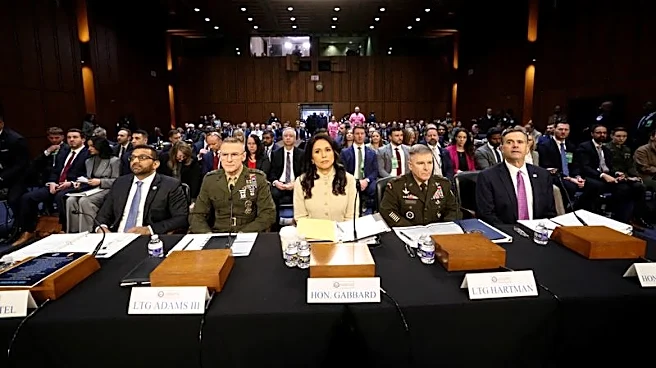
President Donald Trump has appointed Bill Pulte, the current Director of the Federal Housing Finance Agency, as the acting Director of National Intelligence. This decision follows the announcement by Tulsi Gabbard, the current Director of National Intelligence,
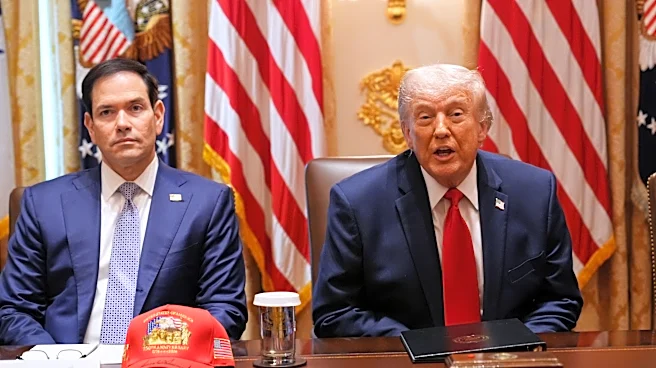
that she will resign from her position effective June 30. Pulte, who has no prior experience in intelligence roles, will continue to hold his existing positions as the director of the FHFA and chairman of Fannie Mae and Freddie Mac. President Trump announced this appointment via a post on Truth Social, highlighting Pulte's experience in managing significant financial matters, including overseeing over $10 trillion at Fannie Mae and Freddie Mac. The White House has not yet clarified when Pulte will officially begin his tenure as acting DNI or whether Aaron Lukas, the Principal Deputy Director of National Intelligence, will remain in his current role.
Why It's Important?
The appointment of Bill Pulte as acting Director of National Intelligence is significant as it places a Trump loyalist in charge of the expansive U.S. intelligence community. This move could influence the direction and priorities of U.S. intelligence operations, potentially aligning them more closely with President Trump's policies and perspectives. Pulte's lack of experience in intelligence roles raises questions about the future handling of sensitive national security matters. The decision also reflects President Trump's ongoing strategy of appointing individuals he trusts to key positions, which could impact the balance of power and decision-making processes within the intelligence community. Stakeholders in national security and intelligence sectors will be closely monitoring how Pulte's leadership might affect U.S. intelligence operations and international relations.
What's Next?
As Bill Pulte prepares to assume his new role, the intelligence community and political observers will be watching for any shifts in policy or operational focus. The transition period may involve adjustments in leadership dynamics, especially if Aaron Lukas continues in his current role. The intelligence community may face challenges in adapting to Pulte's leadership style and priorities, given his background in finance rather than intelligence. Additionally, there may be reactions from political leaders and intelligence officials regarding the implications of this appointment for U.S. national security strategy. The effectiveness of Pulte's leadership will likely be scrutinized in the coming months, particularly in how he manages intelligence operations and addresses potential threats.