



What's Happening?
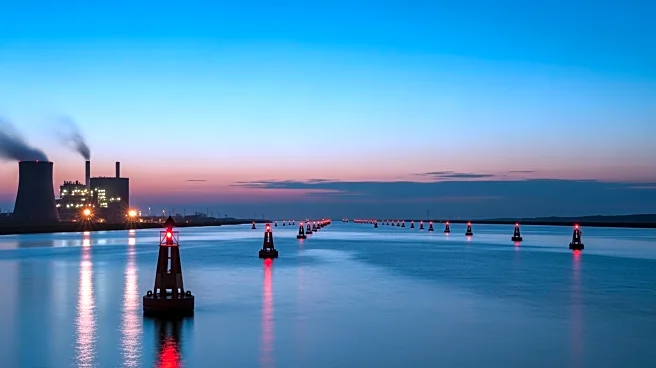
The United States has decided to postpone planned strikes on Iranian power plants for five days. This decision comes as an extension of President Trump's deadline concerning the strategic Hormuz Strait. The move is part of ongoing tensions between the U.S.
and Iran, with the Hormuz Strait being a critical chokepoint for global oil shipments. The delay in military action suggests a potential for diplomatic negotiations or reassessment of strategies in the region. The situation remains tense as both nations navigate the complexities of international relations and military posturing.
Why It's Important?
The decision to delay strikes on Iranian power plants is significant as it impacts global oil markets and international diplomatic relations. The Hormuz Strait is a vital passage for oil transportation, and any conflict in this area could disrupt global oil supplies, leading to increased prices and economic instability. The U.S.'s decision to extend the deadline may provide a window for diplomatic efforts to de-escalate tensions, potentially averting a military conflict that could have widespread repercussions. Stakeholders in the oil industry, as well as international political leaders, are closely monitoring the situation.
What's Next?
In the coming days, diplomatic channels may be utilized to address the underlying issues between the U.S. and Iran. The extension of the deadline suggests that there may be room for negotiation, although the outcome remains uncertain. Key international players, including allies of both nations, may become involved in mediating the situation. The global community will be watching for any shifts in policy or rhetoric from both the U.S. and Iran that could indicate a move towards resolution or further escalation.