


What's Happening?
Freshwater shrimp, specifically Gammarus pulex, exposed to caffeine concentrations found in highly polluted rivers exhibited altered behavior, spending less time in dark environments compared to those in ordinary background caffeine levels. This behavioral
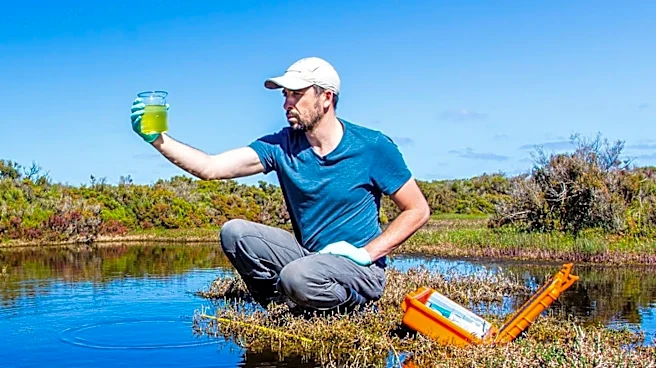
shift was comparable in magnitude to the effect caused by a parasite, Polymorphus minutus, which manipulates shrimp to increase their chances of being eaten by water birds. The study, conducted by researchers from the University of Bonn and Manchester Metropolitan University and reported in Biology Letters, involved exposing shrimp to 10,000 nanograms per liter of caffeine for twenty hours. The researchers observed that while both high caffeine exposure and parasitic infection reduced photophobia, they did not combine or interact, and only caffeine increased overall activity levels. The experiment used water from the shrimp's natural habitat, the Dransdorfer Bach, and compared the effects of a high caffeine concentration to a lower, background level of 100 nanograms per liter, rather than a caffeine-free control.
Why It's Important?
This research highlights a significant environmental concern regarding pharmaceutical and chemical pollution in aquatic ecosystems. Caffeine, a common contaminant in wastewater due to human consumption and incomplete removal by treatment facilities, can persist in water for months. Its presence at elevated levels in rivers and streams can disrupt the natural behavior of aquatic organisms like freshwater shrimp, which are crucial components of the food web. The observed behavioral changes, particularly the reduced avoidance of light, could increase the vulnerability of these shrimp to predators, potentially leading to declines in their populations. Such ecological disruptions can have cascading effects throughout the ecosystem, impacting fish and bird populations that rely on shrimp as a food source. The study underscores the need for further investigation into the long-term ecological impacts of caffeine and other emerging contaminants on aquatic biodiversity and ecosystem stability.
What's Next?
The study's authors emphasize that while the observed behavioral changes were statistically significant, their ecological importance needs further analysis. Future research will likely focus on quantifying the actual impact of caffeine-induced behavioral alterations on gammarid population sizes and the broader food web dynamics. This will involve field studies to complement laboratory findings and assess the real-world consequences of chronic caffeine exposure. Additionally, investigations into the mechanisms by which caffeine disrupts neural and behavioral processes in aquatic organisms could provide deeper insights into its ecotoxicological profile. Policymakers and wastewater treatment facilities may need to consider these findings when developing strategies for managing and mitigating pharmaceutical pollution to protect aquatic environments and their inhabitants.
Beyond the Headlines
The study's finding that caffeine can induce behavioral changes in shrimp similar to those caused by a manipulative parasite raises intriguing questions about the subtle yet profound ways human-introduced chemicals can alter natural ecosystems. This phenomenon, where pollutants mimic natural stressors, suggests a complex interplay between anthropogenic activities and evolutionary adaptations. The long persistence of caffeine in aquatic systems, coupled with its widespread presence, indicates a pervasive and underappreciated form of environmental stress. This research contributes to a growing body of evidence highlighting the need for a more holistic approach to environmental protection, one that considers not only direct toxicity but also the more nuanced behavioral and ecological impacts of chemical contaminants. It also prompts ethical considerations about the responsibility of human societies to manage their waste products to prevent unintended consequences on wildlife and ecosystem health.