


What's Happening?
Amtrak is gearing up for the 2026 FIFA World Cup by urging passengers to book their train travel early, anticipating record demand due to the event. The company expects the summer of 2026 to be one of the busiest travel periods in its history, as fans
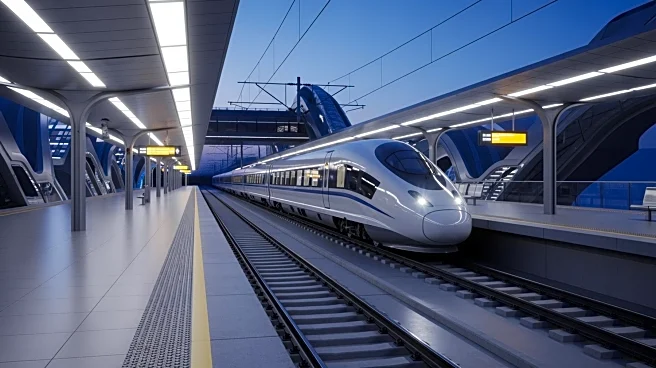
travel to over 100 World Cup matches across North America. To accommodate this, Amtrak is making targeted investments in the Northeast Corridor to strengthen rail infrastructure and minimize maintenance outages. Additionally, Amtrak is rolling out NextGen Acela trains to increase seating capacity and offer First and Business Class amenities. The company is collaborating with the U.S. Department of Transportation, the White House Task Force on the FIFA World Cup 2026, and other partners to ensure smooth travel for fans.
Why It's Important?
The 2026 FIFA World Cup presents a significant opportunity for Amtrak to showcase its capabilities in handling large-scale events and to demonstrate the efficiency of rail travel in the U.S. This initiative not only highlights the importance of rail infrastructure in supporting major international events but also underscores the potential for increased rail travel in the U.S. The investments and enhancements made by Amtrak could lead to long-term improvements in service quality and capacity, benefiting both domestic and international travelers. The collaboration with various governmental and local entities also emphasizes the role of public-private partnerships in enhancing transportation infrastructure.
What's Next?
As the World Cup approaches, Amtrak will continue to implement its infrastructure and service enhancements. The company plans to run over 300 daily trains during the event, ensuring that fans can travel safely and reliably between host cities. Amtrak's preparations include deploying additional maintenance staff, increasing security patrols, and introducing 'Amtrak Ambassadors' to assist travelers. These efforts aim to provide a seamless travel experience for the millions of fans expected to attend the World Cup matches. The success of these initiatives could influence future transportation strategies for large-scale events in the U.S.