





What's Happening?
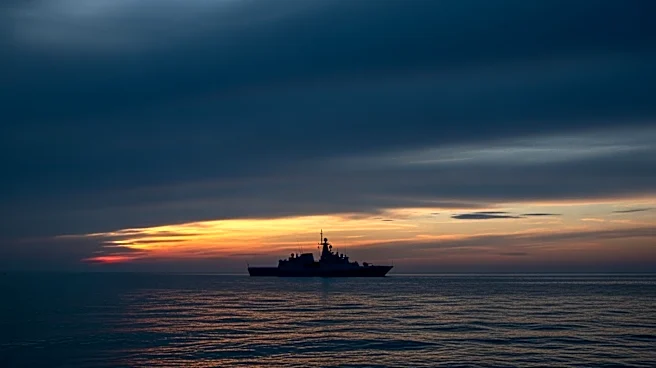
President Trump has reversed his decision to assist ships traveling through the Strait of Hormuz, a strategic waterway crucial for global oil transportation. This decision comes as gas prices in the U.S. have surged to an average of $4.50 per gallon.
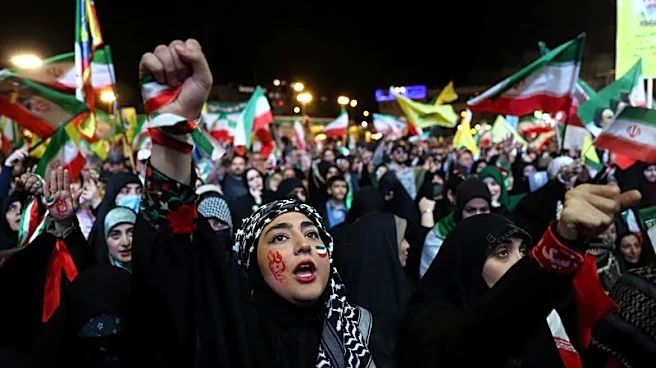
The reversal follows pressure from Saudi Arabia, a key ally in the region. The Strait of Hormuz has been a focal point of tension, with Iran retaining significant military capabilities in the area. The U.S. had initially planned to guide vessels through the strait to ensure safe passage amid these tensions.
Why It's Important?
The Strait of Hormuz is a critical chokepoint for the global oil supply, with a significant portion of the world's oil passing through it. President Trump's decision to halt U.S. assistance in the strait could impact global oil markets and exacerbate the already high gas prices in the U.S. This move may also affect U.S.-Saudi relations, as Saudi Arabia's influence appears to have played a role in the decision. The situation underscores the geopolitical complexities of the region and the delicate balance the U.S. must maintain in its foreign policy.
What's Next?
The decision may lead to increased scrutiny from U.S. lawmakers and international stakeholders concerned about the stability of oil supplies. It remains to be seen how Iran will respond to the U.S. withdrawal of support in the strait, and whether this will lead to further tensions or negotiations. The U.S. government may need to address domestic concerns over rising gas prices and explore alternative strategies to stabilize the market.