






What's Happening?
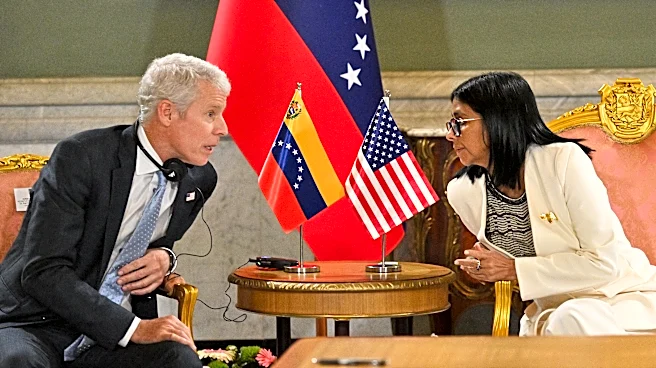
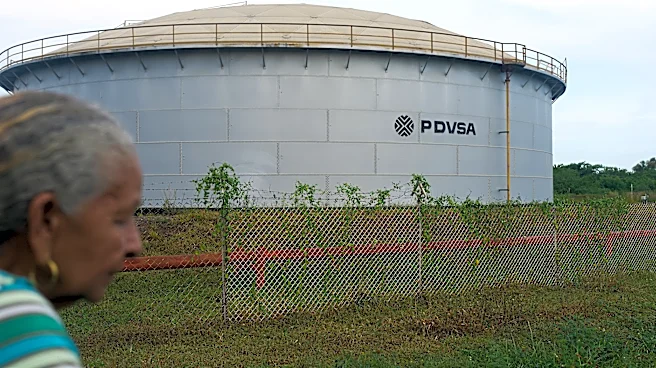
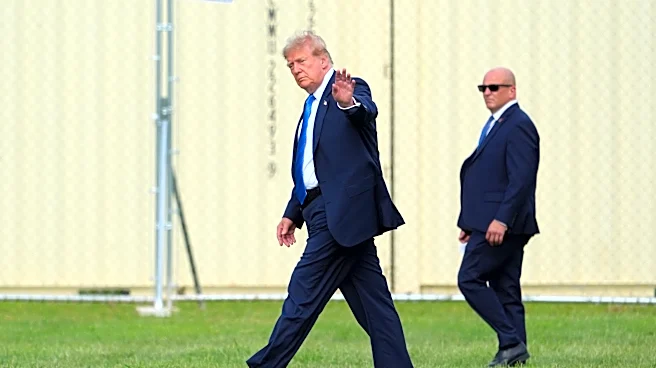
President Trump announced what he termed "THE BIGGEST OIL DEAL IN WORLD HISTORY" last Friday evening, claiming the U.S. gained majority control over more than 65 billion barrels of Venezuela’s proven oil reserves. He stated this agreement would significantly
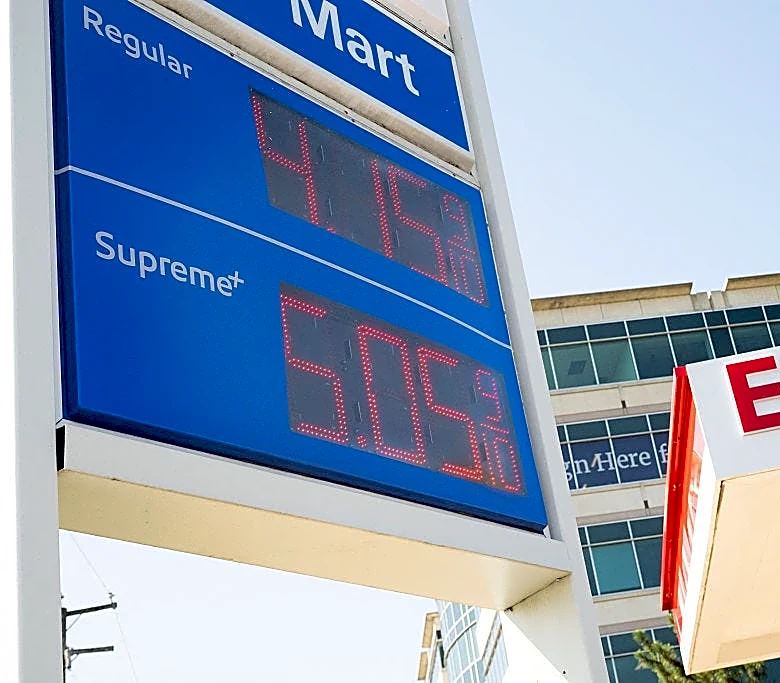
increase U.S. oil supplies and substantially lower gasoline prices. This announcement was made after benchmark West Texas Intermediate crude oil futures had ceased trading for the week, creating a window where advance knowledge could hold significant financial value. The timing of such market-moving government announcements is under scrutiny, as it could allow individuals with prior information to gain an unfair advantage in commodity markets. While no wrongdoing has been alleged, the situation illustrates how a president's statements, even if not immediately impacting physical supply, can influence market expectations and prices.
Why It's Important?
The timing of President Trump's announcement highlights a critical vulnerability in financial markets, particularly in the highly sensitive oil sector. The ability of a president to move markets with a single statement, especially outside of regular trading hours, raises concerns about potential market manipulation and fairness. For investors and the public, this situation underscores the importance of transparency and equal access to market-moving information. If individuals with advance knowledge can profit from such announcements, it erodes trust in the integrity of financial systems. The Commodity Futures Trading Commission Rule 180.1 prohibits manipulative or deceptive schemes in connection with commodities, futures, and swaps, including making materially false or misleading statements or engaging in fraudulent practices. This incident brings to the forefront the ethical and legal implications of presidential communications on financial markets, especially in the age of rapid digital dissemination of information.
What's Next?
The discussion surrounding President Trump's announcement will likely continue to focus on the ethical and regulatory safeguards around market-moving information generated at the highest levels of government. While no allegations of wrongdoing have been made, the incident may prompt further examination of how such announcements are timed and disseminated to prevent potential exploitation. Regulators and market participants may consider mechanisms to ensure more equitable access to information, especially for statements with significant financial implications. The broader question of whether Venezuela can rapidly increase its oil production to the extent suggested by the announcement will also be a subject of ongoing analysis, as the country's oil industry faces significant challenges. The long-term impact of this deal on global oil supplies and gasoline prices will depend on the actual implementation and success of any proposed investments and production increases.
Beyond the Headlines
This event delves into the deeper implications of presidential power in the digital age and its intersection with financial markets. Modern communication platforms, such as social media, allow presidents to directly and instantly disseminate information to millions, bypassing traditional media filters and potentially creating immediate market reactions. This amplified power necessitates a re-evaluation of existing regulations and ethical guidelines concerning market-moving statements from government officials. The potential for individuals with insider knowledge to profit from such announcements raises questions about the fairness and integrity of the capitalist system itself. It also highlights the challenge of distinguishing between legitimate policy announcements and statements that could be perceived as attempts to influence markets for personal or political gain. The incident serves as a stark reminder that in a world where information travels at light speed, the timing and content of official communications carry immense weight and can have far-reaching consequences beyond their stated intent.