
What's Happening?
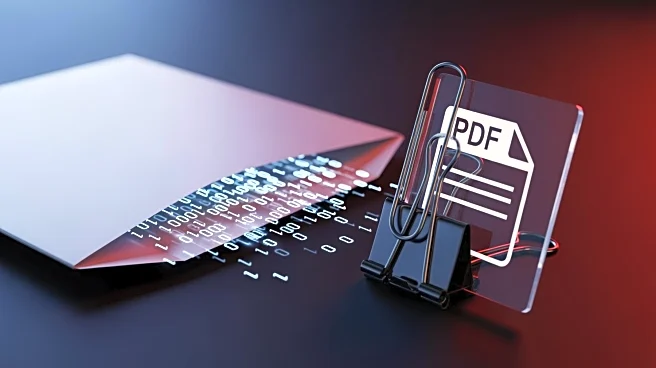
Security researchers have uncovered a new malware strain named PDFSIDER, designed for long-term, covert access to compromised systems. According to Resecurity, the malware is delivered through Dynamic-Link
Library (DLL) side-loading, allowing it to install an encrypted backdoor while evading endpoint detection mechanisms. The malware is characterized by its advanced persistent threat (APT) operations, combining stealthy execution, secure communications, and anti-analysis checks. The infection chain begins with spear-phishing emails containing a ZIP archive with a legitimate-looking executable that impersonates PDF creation software. This executable exploits weaknesses to trigger DLL side-loading, allowing the malware to bypass antivirus and EDR controls. Once active, PDFSIDER initializes networking components, gathers host details, and enters its backdoor routine, with most activities occurring in memory to reduce disk artifacts. The malware uses an encrypted command-and-control (C2) channel, employing AES-256-GCM authenticated encryption to ensure confidentiality and tamper resistance.
Why It's Important?
The discovery of PDFSIDER highlights the ongoing evolution of cyber threats, particularly those targeting sensitive systems with advanced techniques. This malware's ability to evade detection and maintain long-term access poses significant risks to organizations, potentially leading to data breaches and unauthorized access to critical information. The use of sophisticated encryption and anti-analysis measures indicates a high level of threat actor capability, suggesting that PDFSIDER could be part of targeted cyber-espionage campaigns. Organizations across various sectors, especially those handling sensitive data, need to enhance their cybersecurity measures to detect and mitigate such threats. The malware's focus on stealth and persistence underscores the importance of robust endpoint protection and continuous monitoring to identify and respond to potential intrusions.
What's Next?
Organizations are likely to increase their focus on improving cybersecurity defenses, particularly in detecting and responding to advanced persistent threats like PDFSIDER. Security teams may need to update their threat detection tools and strategies to account for the sophisticated techniques used by this malware. Additionally, there may be increased collaboration between cybersecurity firms and government agencies to share intelligence and develop countermeasures against such threats. As the malware uses encrypted communications and memory-based operations, forensic analysis and incident response teams will need to adapt their methodologies to effectively investigate and remediate infections. The ongoing threat of cyber-espionage will likely drive further investment in cybersecurity research and development to stay ahead of evolving threats.