





What's Happening?
Massachusetts residents are experiencing a significant increase in electricity costs, with the average residential electric bill reaching over $230 in August, marking a 36 percent rise over the past five years. This surge is attributed to rapidly increasing
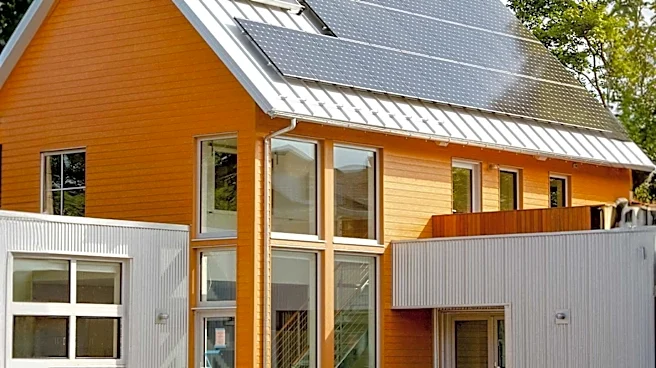
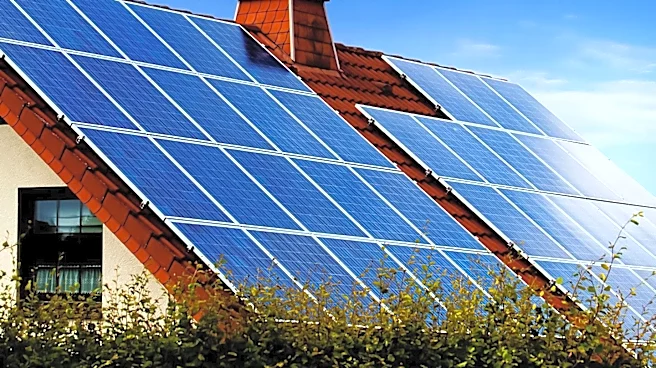
fossil fuel energy costs, which are climbing five to six times faster than other consumer expenses. The Massachusetts Community Climate Bank (MCCB) is actively working to address this issue by providing low-cost financing for home improvements that enhance energy efficiency and promote climate-friendly solutions. Through programs like the Energy Saver Home Loan, the MCCB helps low- and moderate-income homeowners install high-efficiency heat pumps and rooftop solar panels, leading to substantial energy and utility bill savings. One Franklin County resident, for example, achieved an 80% net energy reduction and banked negative bill credits during the summer after implementing such improvements.
Why It's Important?
The escalating electricity bills in Massachusetts underscore a critical challenge facing many U.S. households: the dual pressure of rising energy costs and the urgent need for climate action. The data reveals that fossil fuel prices are a primary driver of this economic strain, disproportionately affecting low- and middle-income residents. The MCCB's initiatives are vital because they demonstrate that climate progress and energy affordability are not mutually exclusive but can be achieved simultaneously. By investing in energy-efficient home improvements and renewable energy sources like rooftop solar, homeowners can significantly reduce their reliance on expensive fossil fuels, lower their utility bills, and decrease their carbon footprint. This approach offers a tangible pathway to economic relief for consumers while advancing the state's sustainability goals, setting a precedent for how other regions can tackle similar issues.
What's Next?
The Massachusetts Community Climate Bank will continue to offer and expand its programs, such as the Energy Saver Home Loan, to help more residents implement energy-efficient upgrades. The focus will remain on connecting low- and moderate-income homeowners with practical solutions like heat pumps and rooftop solar, which have proven to deliver substantial savings. The MCCB anticipates that the winter heating season will also see dramatic changes in bills for customers who have adopted these technologies, as heat pumps are significantly more efficient than older heating systems. The ongoing effort involves educating residents about the benefits of these improvements and making financing accessible. The long-term goal is to build a more sustainable Massachusetts by reducing energy consumption and advancing the Commonwealth's sustainability objectives, demonstrating that climate finance can serve as both an environmental and an energy affordability solution.
Beyond the Headlines
The situation in Massachusetts highlights a broader national conversation about energy policy, climate resilience, and economic equity. The notion that climate progress must come at the expense of affordability is being challenged by initiatives like the MCCB. By demonstrating that climate-friendly home improvements can lead to significant utility savings, Massachusetts is showcasing a model where environmental stewardship directly benefits household budgets. This approach can help overcome public resistance to climate initiatives by framing them as economic opportunities rather than burdens. Furthermore, the focus on older housing stock, which is prevalent in Massachusetts, points to the immense potential for energy efficiency upgrades in existing homes across the U.S. The success of these programs could influence federal and state policies, encouraging greater investment in climate finance and energy efficiency as key strategies for both economic stability and environmental protection.