





What's Happening?
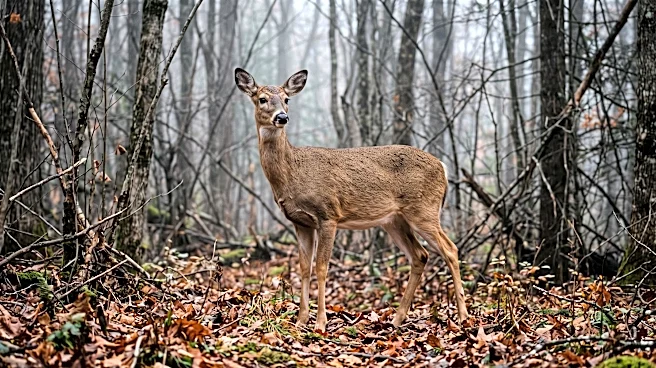
Vermont's 16-day rifle deer hunting season has begun with a significant rule change, allowing hunters to shoot antlerless and female deer during the regular season for the first time in 39 years. Previously, harvesting antlerless deer was restricted to other
seasons, such as archery and muzzleloader. This new regulation, decided by the Fish and Wildlife Board in 2025, aims to manage the deer population in specific areas of the state. The Vermont Fish and Wildlife Department's Deer Project Leader, Nick Fortin, estimates that this change, facilitated by 12,050 antlerless deer permits issued by lottery in August, will result in approximately 3,000 female and antlerless deer being harvested during the regular season. While all licensed hunters can shoot a buck, there are limits on the total number of deer an individual hunter can harvest. The change has elicited mixed reactions among hunters, with state surveys indicating support from those under 55 and opposition from those 65 and older.
Why It's Important?
This rule change is significant for wildlife management and the hunting community in Vermont. The state's deer population is generally stable, but certain regions, including the Champlain Valley, Connecticut River Valley, and the Barre-Montpelier area, have deer populations exceeding what the ecosystem can sustainably support. An overabundance of deer can lead to increased deer-vehicle collisions, higher rates of tick-borne disease transmission, and forest degradation due to overgrazing, as noted by Penn State’s Department of Ecosystem Science and Management. By allowing antlerless deer harvest during the rifle season, the state aims to mitigate these ecological and public safety concerns. The mixed reactions from hunters highlight a social dimension to wildlife management, where traditional practices and conservation goals sometimes diverge. The success of this policy will be closely watched as it represents a substantial shift in hunting regulations and a strategic effort to balance ecological health with recreational hunting.
What's Next?
The Vermont Fish and Wildlife Department will closely monitor the impact of this new regulation throughout the current rifle season and in subsequent years. Deer Project Leader Nick Fortin indicated that the state is being conservative with the number of permits issued, recognizing the significant social change this rule represents. The department hopes this approach will be effective long-term and avoid the need to revoke the tool. Discussions and questions about the rule change are expected to continue among hunters and the public, as noted by Joe Sanborn, manager of R&L Archery, who anticipates ongoing conversations through next year. The state will likely evaluate the harvest numbers, ecological impacts, and hunter feedback to determine future adjustments to deer management strategies. This initial phase is crucial for assessing the effectiveness and acceptance of the new policy within Vermont's hunting culture.
Beyond the Headlines
The decision to allow antlerless deer hunting during the rifle season reflects a broader trend in wildlife management towards adaptive strategies that respond to ecological pressures. This move highlights the complex interplay between human activity, environmental health, and conservation ethics. While the immediate goal is to manage deer populations in specific areas, the long-term implications could include shifts in hunting traditions and a greater public understanding of ecosystem dynamics. The differing opinions among hunters, particularly across age groups, underscore the cultural significance of hunting practices and the challenges in implementing changes that balance scientific recommendations with community values. This policy could also serve as a case study for other states facing similar deer overpopulation issues, demonstrating how regulatory adjustments can be introduced to address ecological imbalances while navigating social considerations within the hunting community.