







What's Happening?
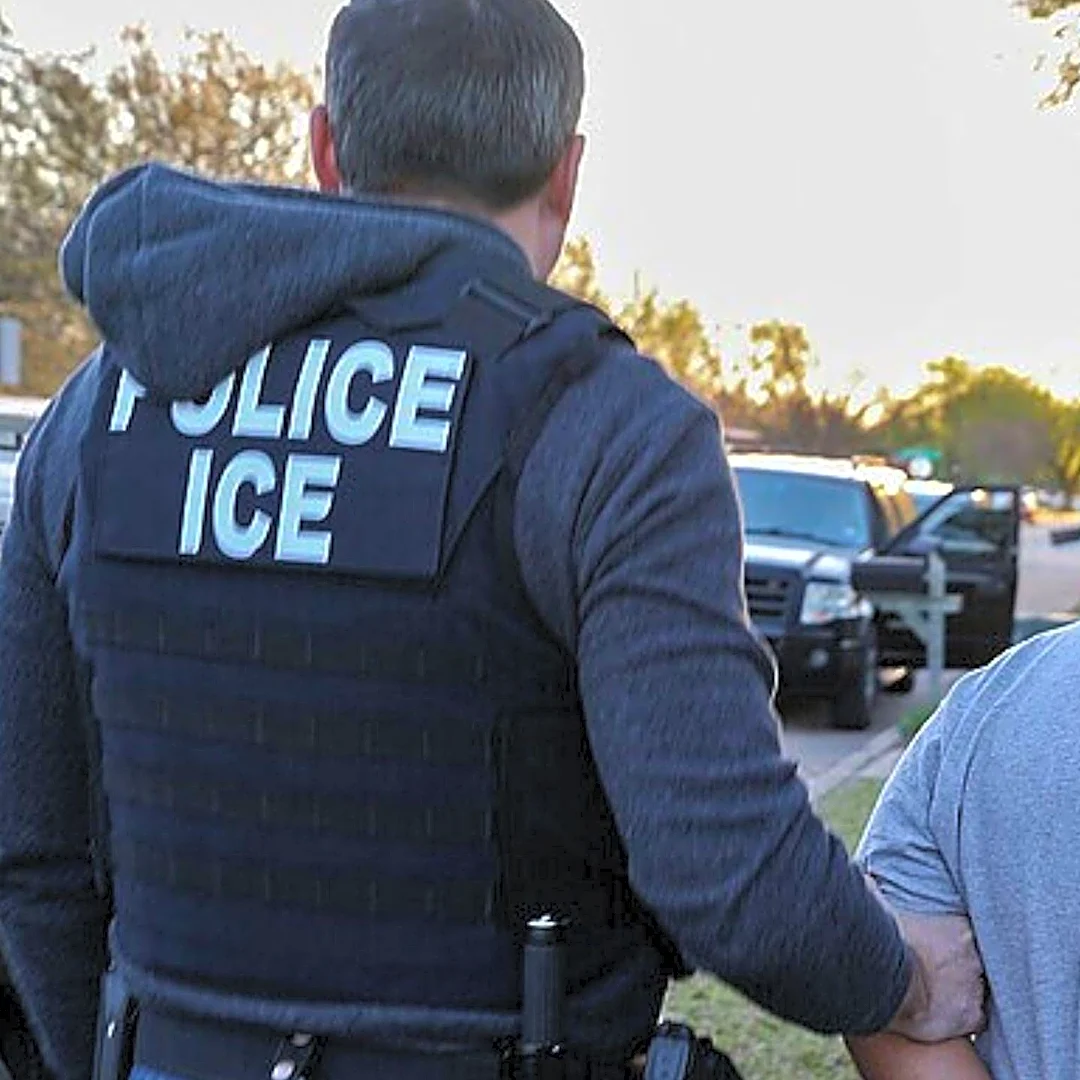
St. Louis police have successfully apprehended Maurio Thomas, a 29-year-old inmate who escaped from the St. Louis City Justice Center. Thomas was captured on Sunday afternoon in the area of Tesson Ferry Road and Hermitage Drive in south St. Louis County,
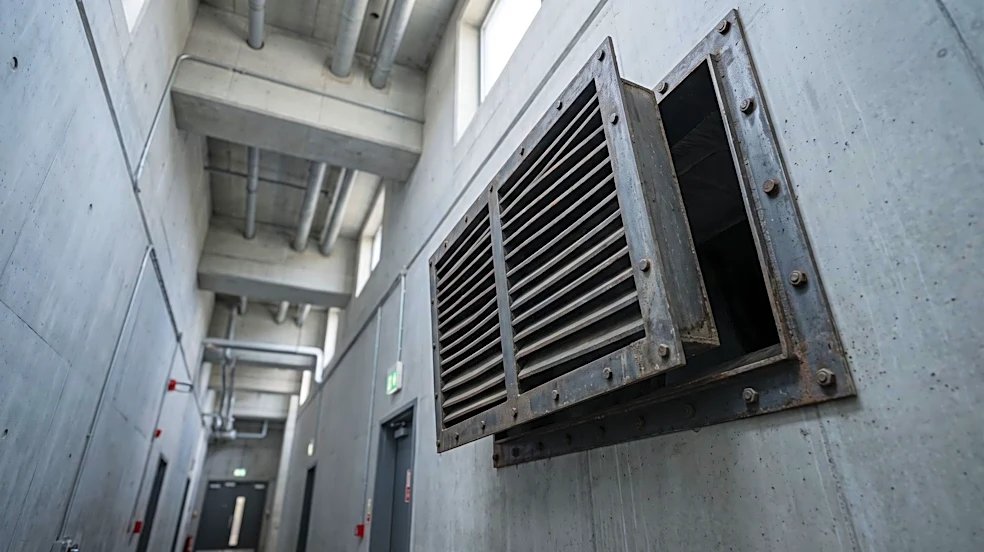
following a nearly 14-hour manhunt. According to SLMPD Police Chief Robert Tracy, the St. Louis Metropolitan Police Department (SLMPD) received support from St. Louis County Police and other regional and federal partners in the search. Thomas reportedly escaped through the ceiling of a room where he may have been making phone calls, then exited through an alley behind the facility. Surveillance footage showed Thomas outside the building around 1:15 a.m. on Sunday. He was detained without incident and was not armed. Authorities are investigating whether he received assistance in his escape, particularly in reaching south St. Louis County. Thomas was being held without bond on two counts of first-degree burglary and two counts of first-degree sodomy, and police stated he had admitted to sexually assaulting a woman on two separate occasions.
Why It's Important?
The escape and subsequent capture of Maurio Thomas highlight critical security vulnerabilities within the St. Louis City Justice Center and raise concerns about public safety. The fact that an inmate, described as 'extremely dangerous' by SLMPD Spokesperson Mitch McCoy, could escape from a correctional facility underscores the need for rigorous security assessments and potential upgrades to prevent future incidents. The successful use of technology, such as the county's drone program and license plate readers, as highlighted by Chief Tracy, demonstrates the increasing reliance on advanced surveillance tools in law enforcement operations. This event also brings attention to the broader issue of inmate management and the challenges faced by urban correctional facilities in maintaining secure environments while addressing the needs of their populations. The alleged crimes for which Thomas was held, including sexual assault, amplify the community's concern and the importance of swift apprehension to restore public confidence.
What's Next?
Following Maurio Thomas's apprehension, he was to be returned to the St. Louis City Justice Center. The SLMPD will likely conduct a thorough investigation into the circumstances of his escape to identify and rectify any security lapses. This investigation may involve reviewing surveillance footage, interviewing staff, and assessing the structural integrity of the facility. There will also be an inquiry into whether Thomas received any assistance, which could lead to additional charges or arrests. The use of advanced technology, such as drones and license plate readers, in the search operation will likely be further evaluated for its effectiveness and potential broader implementation in similar situations. The incident may prompt discussions among city officials and law enforcement regarding funding for security enhancements and staff training at the City Justice Center. The community will likely expect transparency and assurances from authorities that measures are being taken to prevent such escapes in the future.
Beyond the Headlines
This incident extends beyond a simple escape and capture, touching upon the ethical considerations of surveillance technology and the societal impact of correctional facility security. The reliance on drones and license plate readers, while effective in this case, raises questions about privacy and the extent of surveillance in urban environments. Furthermore, the escape of an inmate accused of serious violent crimes can erode public trust in the justice system and create a sense of insecurity within the community. It also highlights the ongoing challenges faced by correctional institutions in balancing rehabilitation efforts with the imperative of public safety. The incident may spark broader conversations about the conditions within the St. Louis City Justice Center, which has faced scrutiny in the past, and the need for comprehensive reforms to ensure both the safety of the public and the humane treatment of inmates. The long-term implications could include increased investment in correctional infrastructure and technology, as well as a re-evaluation of security protocols across similar facilities.