
What's Happening?
Members of the U.S. Congress have reiterated their strong bipartisan support for Taiwan, emphasizing the importance of the island's security and defense capabilities. This comes in the wake of President
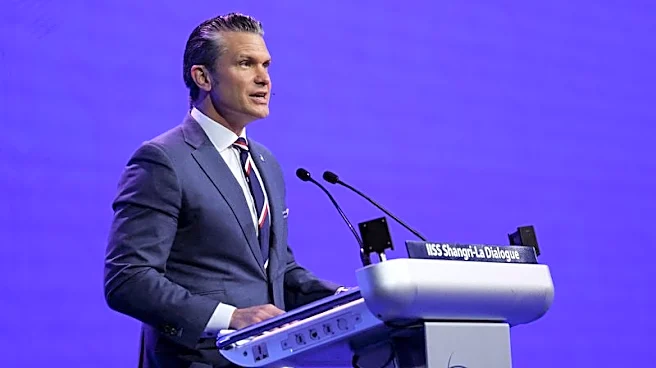
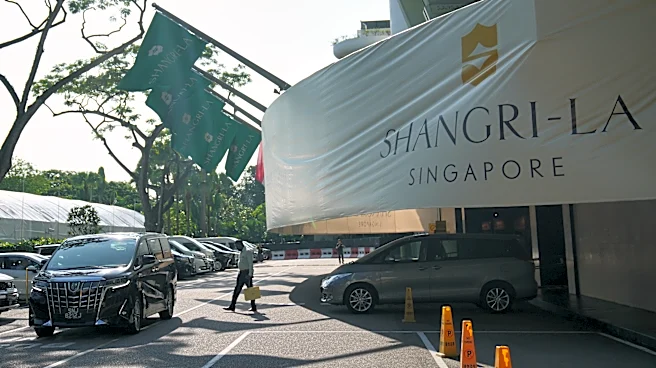
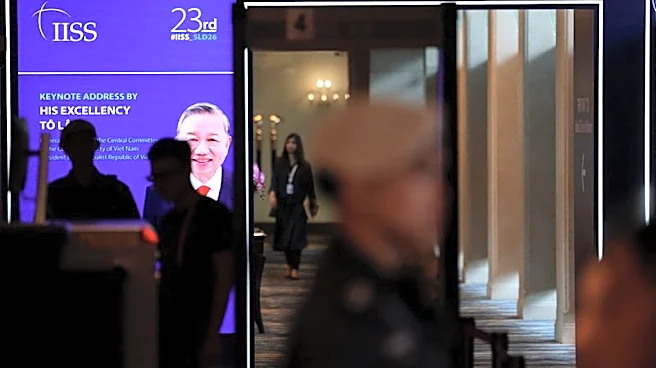
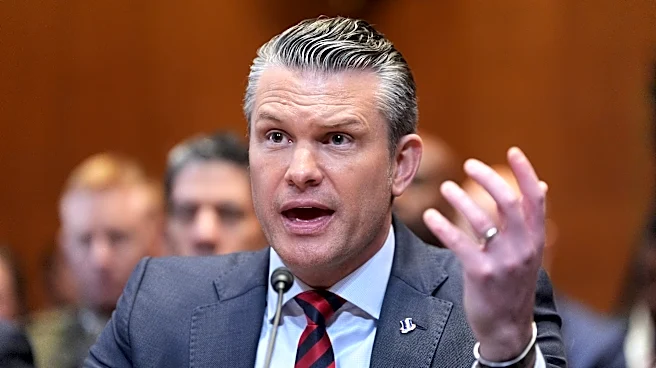
Trump's comments suggesting that the $14 billion in arms sales to Taiwan could be used as a 'negotiating chip' with China. At the IISS Shangri-La Dialogue in Singapore, Senator Tammy Duckworth and other congressional representatives highlighted the progress made in supporting Taiwan's self-defense. Despite President Trump's remarks, Congress remains committed to Taiwan's security, with weapons sales approved in a bipartisan manner. Secretary of War Pete Hegseth did not mention Taiwan in his speech, but Representative Michael Baumgartner downplayed the omission, asserting that the status quo includes Taiwan.
Why It's Important?
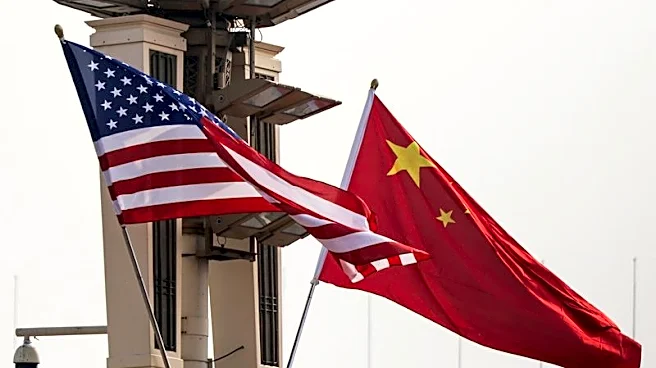
The reaffirmation of support for Taiwan by U.S. Congress is significant in the context of U.S.-China relations, as Taiwan remains a contentious issue between the two nations. The bipartisan backing underscores the U.S. commitment to Taiwan's defense, which could influence regional stability and U.S. foreign policy. The arms sales are crucial for Taiwan's ability to deter potential aggression from China, which claims the island as part of its territory. This support also reflects the broader U.S. strategy to maintain influence in the Asia-Pacific region and counterbalance China's growing power. The situation could impact U.S.-China diplomatic relations and trade negotiations, as well as Taiwan's international standing.
What's Next?
Future developments may include continued arms sales and military cooperation between the U.S. and Taiwan. The U.S. Congress is likely to maintain its support, potentially leading to further legislative measures to bolster Taiwan's defense. China's response to these developments will be critical, as it may seek to exert more pressure on Taiwan or engage in diplomatic negotiations with the U.S. The international community will be watching closely, as any escalation could have broader implications for regional security and global trade dynamics.