



What's Happening?
An international conference titled 'Understanding Our Ocean, Protecting Our Future' is scheduled to take place on October 21, 2026, at Casa Matha in Ravenna. This event will gather scientists from universities and research institutions worldwide to address
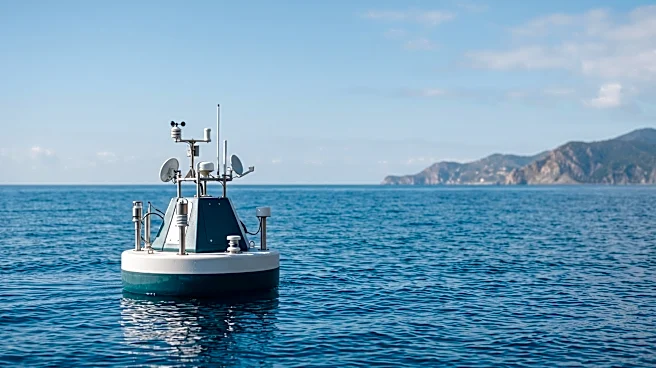
critical challenges facing the ocean. Organized by the University of Bologna – Ravenna Campus, the Decade Collaborative Centre for Coastal Resilience (DCC-CR), and the CMCC Foundation, the conference is part of Ravenna Capitale del Mare 2026. The agenda includes exploring recent advancements in ocean science, emerging technologies for marine observation and monitoring, sustainable ocean management and governance, and science-based solutions to mitigate the impacts of climate change. The conference is designed for a diverse audience, including university students, early-career researchers, marine and environmental scientists, ocean and coastal managers, industry professionals, government agencies, and decision-makers. The scientific program will feature lectures from prominent researchers, covering topics such as understanding and predicting the Mediterranean Sea, coastal climate solutions, melting glaciers, Antarctic sea ice, the ocean carbon cycle, seagrasses, and coastal monitoring.
Why It's Important?
This conference is important as it brings together a global consortium of experts to tackle the multifaceted challenges confronting our oceans, which are vital for global climate regulation, biodiversity, and economic stability. The focus on scientific advancements and emerging technologies is crucial for developing innovative solutions to marine degradation, pollution, and climate change impacts. By fostering collaboration between scientists, policymakers, and industry professionals, the event aims to bridge the gap between research and practical implementation, which is essential for effective ocean governance. The inclusion of topics like coastal climate solutions and the ocean carbon cycle directly addresses issues that have significant implications for coastal communities and global climate patterns, including those in the U.S. The insights and solutions discussed could inform international and national policies, influencing how countries manage their marine resources and adapt to environmental changes, thereby impacting U.S. coastal economies and environmental protection efforts.
What's Next?
The conference aims to connect international ocean research with current challenges affecting marine and coastal environments. The discussions and findings from the event are expected to contribute to a deeper understanding of ocean dynamics and inform future research priorities. For attendees, particularly university students and early-career researchers, it offers a valuable opportunity for networking and knowledge exchange, potentially fostering new collaborations and research initiatives. The insights gained from the conference could influence policy recommendations for sustainable ocean management and climate change adaptation strategies. The organizers, including the University of Bologna and the CMCC Foundation, will likely disseminate the outcomes to a broader audience, aiming to translate scientific knowledge into actionable strategies for various stakeholders, including government agencies and industry. The event's focus on science-based solutions suggests a continued push for evidence-informed decision-making in ocean conservation and management.
Beyond the Headlines
The conference's emphasis on 'Understanding Our Ocean, Protecting Our Future' underscores a growing global recognition of the intrinsic link between ocean health and human well-being. Beyond the immediate scientific and policy implications, such gatherings highlight the evolving role of scientific diplomacy in addressing transnational environmental crises. By bringing together diverse perspectives from around the world, the conference can foster a shared sense of responsibility and urgency regarding ocean stewardship. The focus on emerging technologies also points to the increasing reliance on innovation to solve complex environmental problems, potentially spurring investment in marine tech sectors. Furthermore, the event's educational component, targeting students and early-career researchers, is critical for building the next generation of ocean leaders and ensuring a sustained commitment to marine conservation. This collective effort reflects a broader societal shift towards valuing and protecting natural capital as a foundation for sustainable development.