




What's Happening?
Ohio is facing a growing problem of seemingly fake public comments being submitted to regulatory agencies, primarily aimed at blocking renewable energy projects and promoting fossil fuels. This trend is eroding public trust in government decision-making,
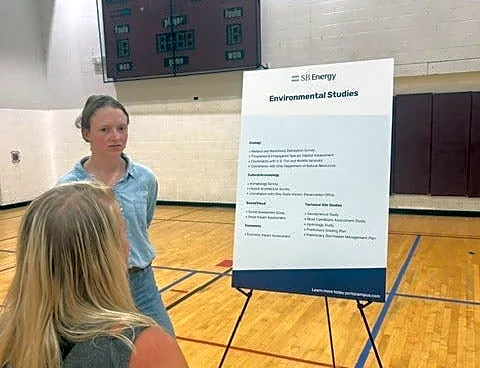
as genuine public feedback is diluted by fabricated submissions. For instance, the Ohio Power Siting Board denied a permit for the Crossroads Solar Grazing Center, a 94-megawatt project, citing 'consistent and substantial opposition' despite evidence from the developer, Open Road Renewables, that many opposing comments appeared to be fabricated. The board did not refer these fake comments for prosecution. A similar incident occurred in 2023 with pro-fracking comments submitted to Ohio’s Oil and Gas Land Management Commission, where nearly 150 names were used without consent. While the Attorney General's office investigated, no civil or criminal charges were filed, with misconduct attributed to a third-party vendor.
Why It's Important?
The proliferation of fake comments undermines the integrity of public participation processes, which are crucial for democratic governance and informed policy-making. When regulatory bodies consider fabricated feedback, it skews the decision-making process, potentially leading to the rejection of legitimate projects and the approval of others based on misleading information. This issue is particularly critical for the clean energy sector, as it can hinder the development of renewable infrastructure necessary for energy transition and climate goals. The lack of robust enforcement against those behind these fake submissions further exacerbates the problem, creating a perception that such fraudulent conduct goes unpunished. This can discourage genuine public engagement and foster cynicism towards government agencies, impacting their legitimacy and effectiveness.
What's Next?
Advocates for clean energy and good government are calling for stronger action from Ohio regulators to investigate and prosecute those responsible for submitting fake comments. John Kulewicz, a candidate for Ohio attorney general, stated that misleading public officials through false testimony should be prosecuted. While Ohio recently revised its Administrative Code to include deceptive consumer practices related to gathering names for public submissions, no enforcement action has yet been taken under this new rule. California is considering Senate Bill 1159, which would forbid the knowing use of artificial intelligence to falsely represent public engagement, suggesting a legislative approach to combat this issue. Tech tools, such as metadata analysis and automated verification emails, are also being proposed to help agencies screen for fake submissions and ensure the authenticity of public input.
Beyond the Headlines
The issue of fake comments extends beyond mere procedural irregularities; it touches upon the weaponization of public discourse and the potential for sophisticated disinformation campaigns to influence policy. The use of AI in generating such comments, as seen in California, indicates a growing technological dimension to this problem. This trend highlights the vulnerability of democratic processes to manipulation, especially in an era where digital tools can amplify deceptive practices. The reluctance of some agencies to prosecute these cases, often attributing blame to third-party vendors, raises questions about accountability and the effectiveness of current legal frameworks. Ultimately, addressing this challenge requires a multi-faceted approach involving stronger legal enforcement, technological solutions for verification, and a renewed commitment to protecting the authenticity of public participation.