








What's Happening?
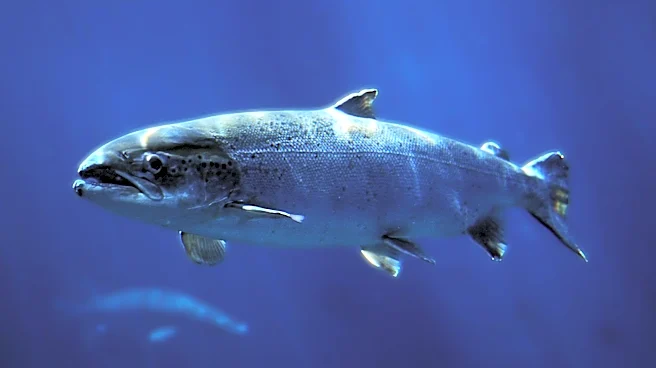
A study published in Frontiers in Genetics investigated the role of the bone morphogenetic protein 15 (bmp15) gene in male Atlantic salmon reproduction and development using CRISPR/Cas9 technology. While BMP15 is well-known for its critical role in female
reproduction across various species, its function in male reproduction has been less understood. The researchers generated Atlantic salmon with mutated bmp15 genes and observed no apparent phenotypic differences in testis development, spermiation rates, or sperm motility in mutant males compared to wild-type controls at 18 and 22 months of age. However, at 26 months, males homozygous for frameshift mutations (bmp15 fs/fs) were significantly shorter and lighter, and exhibited a higher incidence of deformed vertebrae. Despite these growth and skeletal issues, the study found that bmp15 fs/fs males showed a higher frequency of spermiating fish, suggesting an accelerated spermatogenic process, but without significant effects on 11-ketotestosterone plasma levels or sperm quality parameters like motility and trajectory.
Why It's Important?
This research provides crucial insights into the specific functions of the bmp15 gene in male Atlantic salmon, differentiating it from its more established role in female fertility. The finding that loss of bmp15 function does not abolish male fertility, unlike its impact on female salmon which leads to ovulatory failure, highlights species-specific differences in gene function within the TGF-beta superfamily. The observed increase in vertebral deformities in mutant males suggests a previously unrecognized role for bmp15 in skeletal integrity during salmon development. This has implications for aquaculture, particularly in breeding programs aimed at improving fish health and welfare. Understanding the genetic factors influencing skeletal development can help mitigate issues like deformities, which can impact growth and market value. The study also contributes to the broader understanding of reproductive biology in teleost fish, offering a comparative perspective to mammalian models.
What's Next?
Future studies are needed to clarify the impact of specific in-frame mutations, both alone and in combination with frameshift mutations, and their correlation with observed phenotypes. Further research will also focus on quantifying sperm functionality, such as the ability to fertilize eggs and produce viable offspring, using standard wild-type eggs. The researchers also plan to investigate subsequent filial generations to disentangle the relative contributions of maternal effects of bmp15 gene loss on oocyte quality and early embryogenesis versus a direct role of bmp15 in skeletal development or post-embryonic bone physiology. Analyzing the occurrence of skeletal defects in swim-up larvae could provide earlier insights into the onset of these deformities. These investigations will contribute to a more comprehensive understanding of bmp15's multifaceted roles and its potential applications in aquaculture management and genetic improvement programs.
Beyond the Headlines
The study's findings on skeletal deformities in bmp15 mutant salmon open a new avenue for research into bone morphogenetic proteins and their less-explored roles beyond reproduction. While several BMP family members are known for their involvement in bone metabolism, BMP15 has not typically been implicated in vertebrate bone biology. This discovery suggests that BMP15 might have a broader, more complex influence on developmental processes than previously understood, potentially interacting with other genetic pathways. The increased incidence of malformations in mutant fish, both male and female, points to a critical role for bmp15 during early development, possibly affecting embryonic viability and overall health. This could have significant implications for understanding developmental disorders in other species, including humans, where BMP15 mutations are associated with primary ovarian insufficiency. The research underscores the intricate genetic networks governing development and reproduction, and the potential for unexpected pleiotropic effects when gene functions are altered.